



tsang family archive
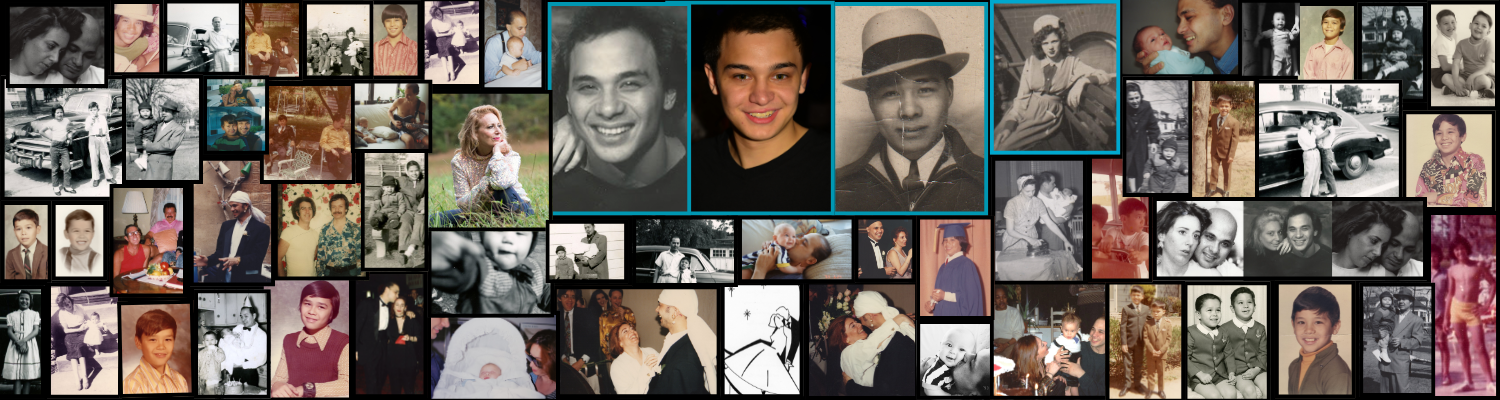
We’re starting our Tsang Family Archive here, please check in to watch it evolve.
Iris and John Tsang
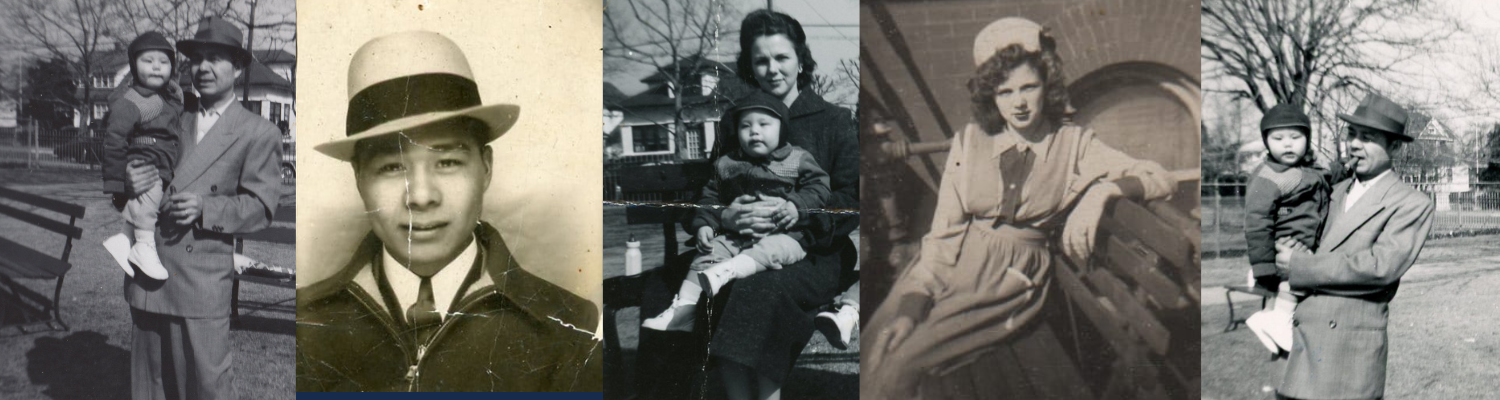
Photo #1: Kim Tsang and his father John Tsang Photo #2: John Tsang Photo #3: Iris Tsang Photo #4: Kim and John Tsang
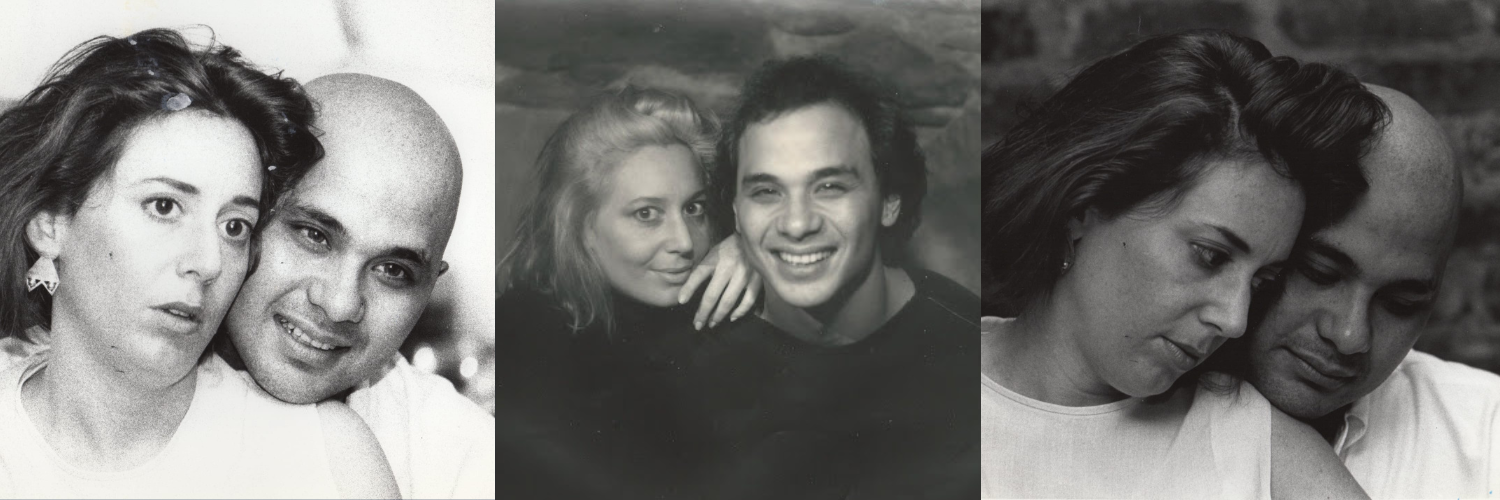
Ellen Kaye and Kim Tsang
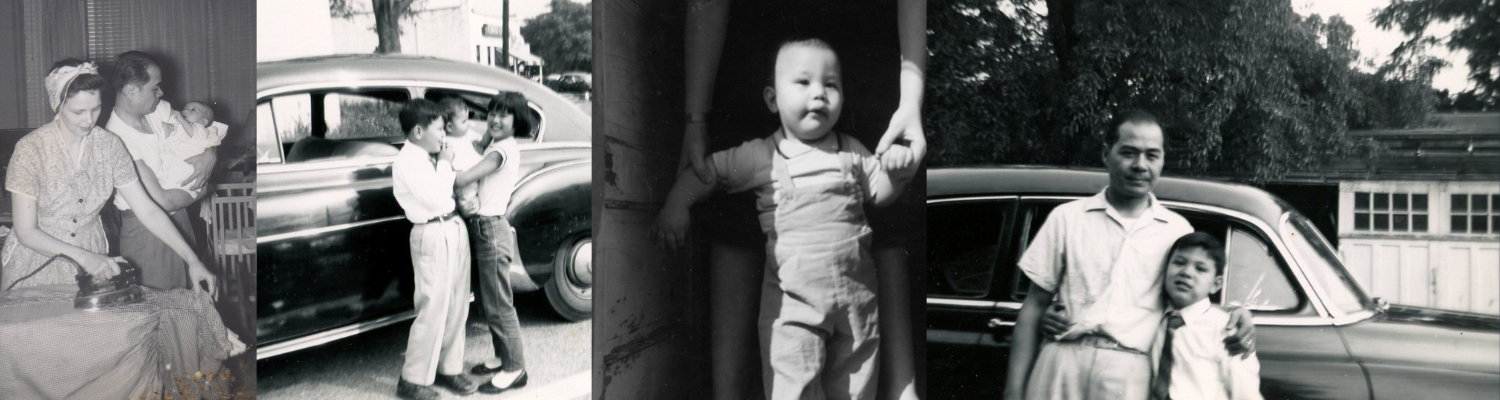
The Tsang family circa 1950’s
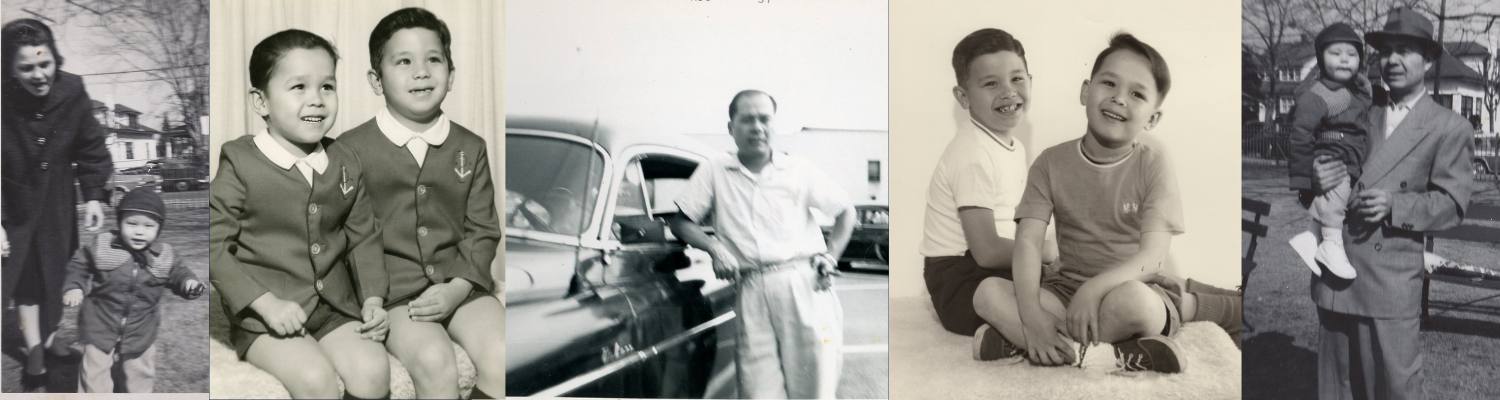
Photo #1: Iris and Kim Tsang Photo #2: Steven and Kim Tsang Photo #3: John Tsang Photo #4: Kim and Steven Tsang Photo #5: Kim and John Tsang
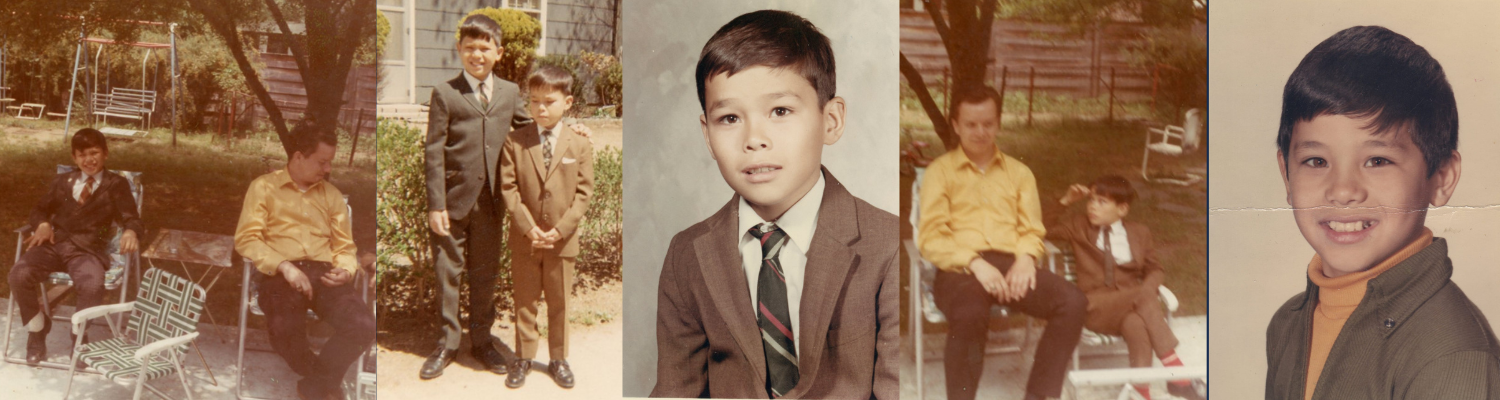
Photo #1: Kim Tsang and Jimmy Dowling Photo #2: Kim and Steven Tsang Photo #3: Steven Tsang Photo #4: Jimmy Dowling and Steven Tsang Photo #5: Kim Tsang
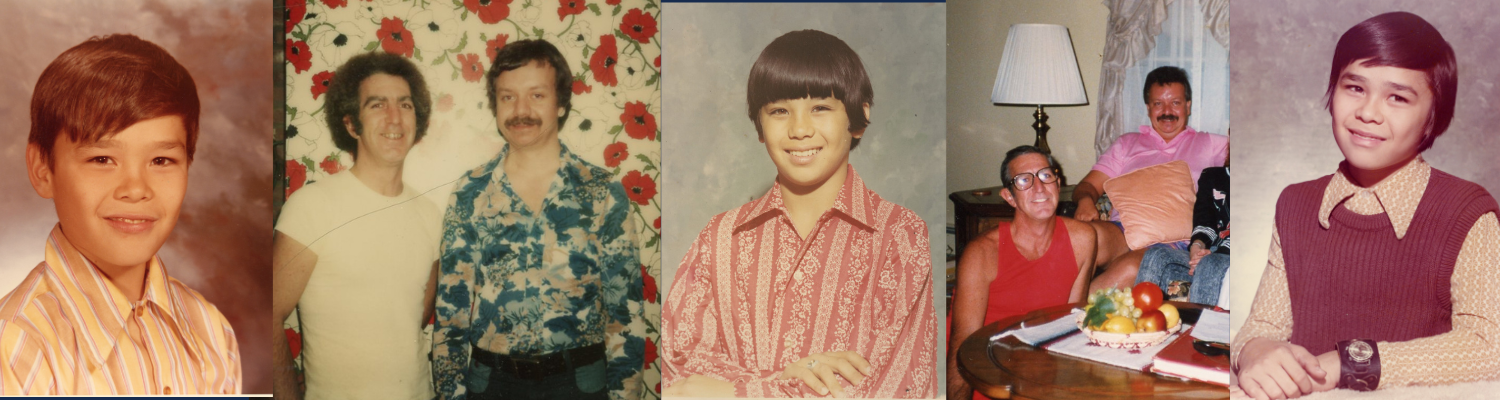
Photo #1: Steven Photo #2: Kenny & Jimmy Photo #3: Kim Photo #4: Kenny and Jimmy Photo #5: Steven
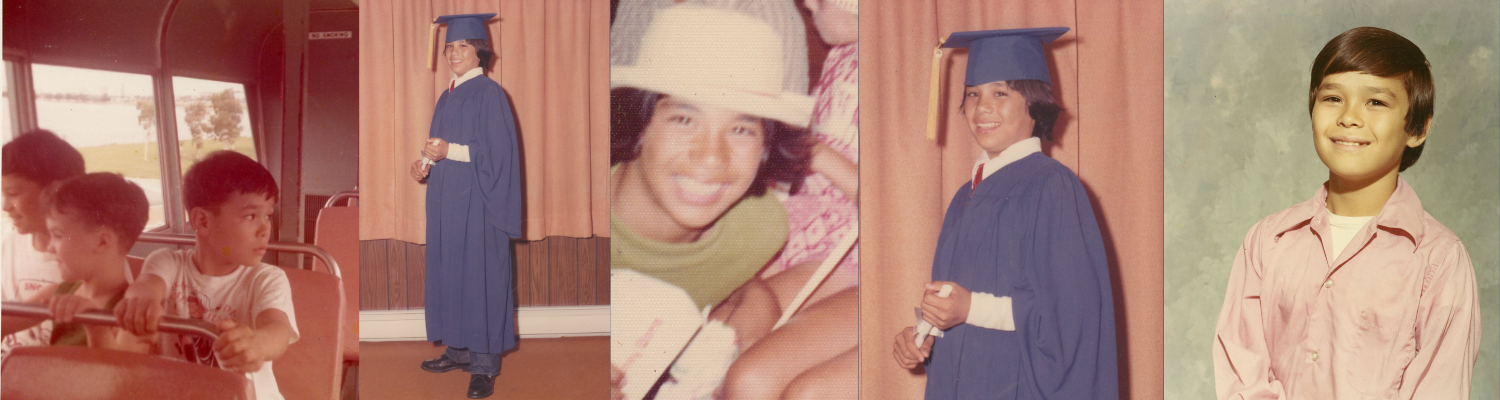
Photo #1: Kim and Steven Photo #2-4: Kim Photo #5: Steven
Chinese sailors are known to have visited the United States on trading ships since the 1700’s. In 1834, the first documented Chinese immigrant, Afong Moy, was brought from China by two traders and displayed in NYC and around the country as “The Chinese Lady.” However, the first of three waves of immigration from China to the United States did not start in earnest until the 1840’s at the beginning of the gold rush. Men came from China to make their fortune and send money back to their families in China. Unfortunately, because of racism and discriminatory laws, any mining claims of worth were disallowed, or egregiously taxed, preventing the Chinese from profiting on their labor.
In many ways, Chinese immigrants were major contributors in the development of western America. Chinese immigrants worked in the mines during the gold rush, were the major workforce responsible for the manual labor used to build the western railroads, were workers in the development of the agricultural landscape of California, including the vineyards, and worked in the Hawaiian plantations. Many early immigrants also worked in many of early America’s factories, and in the garment industry.
Because of the Foreign Miners’ License Tax of 1852, which required a monthly tax of $20 on all foreign-born miners, most Chinese were forced to labor for others in the mines for meager wages. In 1854, the California Supreme Court held in People v. Hall, that a law which prohibited non-white individuals from testifying against white people applied to Chinese immigrants, in essence holding that Chinese individuals were not entitled to the same legal rights as white people. The Sidewalk Ordinance of 1870 banned the carrying of vegetables or laundry on poles, a practice common among the Chinese. The San Francisco Queue Ordinance in 1873 made it illegal for men to have long braids, a long held Chinese custom. The Page Act of 1875 prohibited the entry of Chinese women into the United States. The Chinese Exclusion Act of 1882 became the first restriction on free immigration in our country’s history prohibiting any Chinese from entering. Chinese were forbidden from working for the federal, state or local government, or to attend public schools. Anti-miscegenation laws prohibiting Chinese men from marrying white women were prevalent.
These laws, and the rampant racism they fostered, led to mob violence against Chinese immigrants. The Chinese Massacre of 1871 resulted in the mass lynching of 19 Chinese boys and men by a raging mob. The Rock Springs Massacre in 1885 resulted in the mass murder of Chinese miners in Wyoming.
The Chinese Exclusion Act of 1882 was renewed every ten years until 1904 when it became permanent until 1943 when it was repealed. This repeal led to the second wave of Chinese immigration during the WWII period when China was one of our allies. During this second wave, scientists and engineers came to America and assisted with the war effort through the development of weapons used to defeat the Axis powers. This wave continued until the McCarthy era when America’s relations with Communist China became strained. Chinese artists, government employees and scientists were blacklisted during this time. One of the most prominent scientists, Qian Xuesen, an aerospace engineer who worked on the Manhattan Project and helped found the Jet Propulsion Laboratory, was charged with being a communist and held under house arrest for five years before being deported to China as part of a prisoner exchange.
Though continuously facing discriminatory laws and actions in America, Chinese immigrants staged nonviolent strikes while building the railroads during the mid-1800’s, sometimes resulting in better treatment by their employers. During Reconstruction, when Southern plantation owners were seeking cheap Chinese labor to replace freed slaves, some immigrants hired interpreters to negotiate employment contracts with the owners and later rehired the interpreters to assist in legal action when the owners breached the employment agreement. Also, in the late 1800’s, Chinese immigrants sued schools for the right to attend, and others would boycott establishments that treated the immigrants unfairly.
In 1886, the US Supreme Court ruled that discriminatory application of a law resulted in a violation of the Equal Protection Clause of the United States Constitution in the case of Yik Wo v. Hopkins. In United States v. Wong Kim Ark, decided in 1898, the United Supreme Court affirmed that the citizenship clause of the Fourteenth Amendment granted birthright citizenship to anyone born in the United States.
Chinese immigrants have been active participants in the fight for democratic values in the United States since the 1850’s and have made their contributions to the melting pot that is America, as scientists and engineers, mothers and fathers, entrepreneurs and business owners, daughters and sons, educators and musicians, grandparents and grandchildren, politicians and artists. Americans one and all.
listen to ellen's original song about kim below
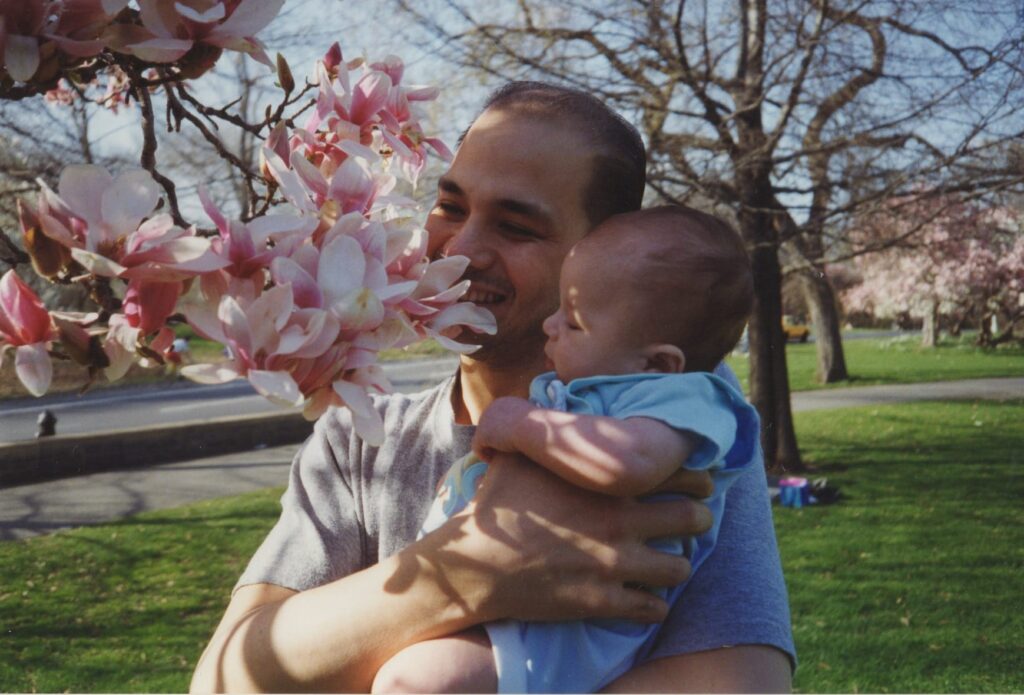
Kim Tsang Family Photos
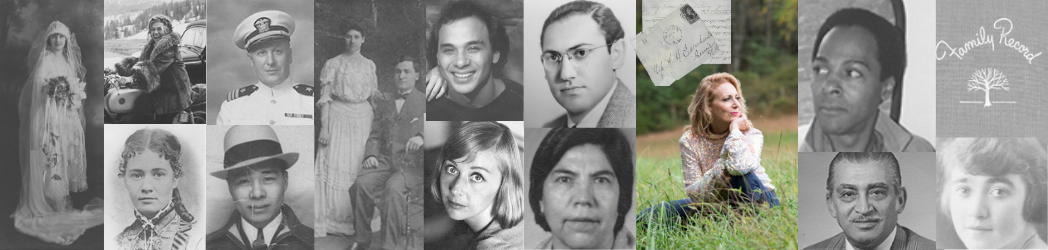
listen to the old bones odyssey original songs below
The songs Old Bones Odyssey and These Walls Are Alive are the main themes of our entire project. They are inspired by the people that fill our stories.
"old bones odyssey" - the album.
please click here for our linktree