





sidney kaye
archival blog post
it’s hard for me to write about my dad, sidney kaye. he died when i was seven. for me, after he was gone,
our restaurant was his living spirit. i felt him at every table, through the revolving doors, swinging from the bar stools,
hiding in the hatcheck room, running through the kitchen. longing for him. i’ll try to show a little bit of him here,
but the irony is i knew him the least of all. but loved him terribly.

“Kaye was born forty-odd years ago on 112th Street, just west of that uptown sector of Fifth Avenue that ends in a crowded tenements and a pandemonium of foreign tongues. Like most boys of that section, he learned to handle himself early and has never forgotten. Though an educated and cultivated man who has traveled much, he has never lost the vocal intonations of Harlem, or the hair-trigger emotional responses typical of his early environment. He when to De Witt Clinton High and graduated from Wittenburg College in Ohio with the degree of Bachelor of Science. Restless and discontented, he skidded from job to job in various fields, including industrial chemistry and the wholesale coat business. Kaye’s great inner problem is the clash of two paradoxical elements in his nature – the tough businessman and the sensitive artist. As a young man, it was not easy for him to find a career which would permit both sides to function in harmony.”
An excerpt from “Brahms, Borscht, and Ballet” by Silas Spitzer – Holiday magazine March, 1959
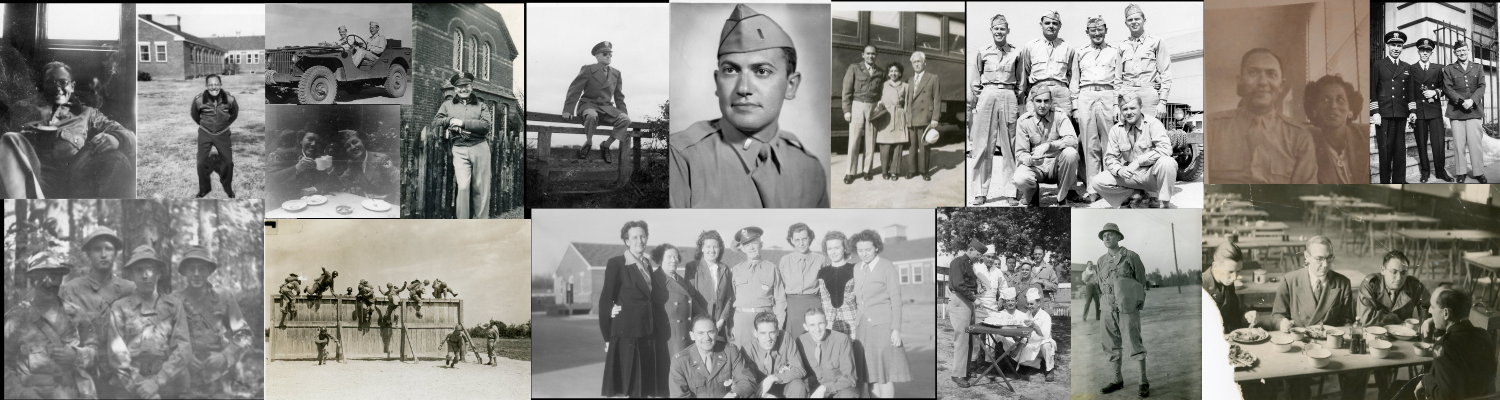
“He came a little closer to it in the Army, where he served in the Administrative Branch of the Medical Branch of the Medical Corps. He wound up a captain in charge of the mess at a general hospital with fifty cooks under him, and he thoroughly enjoyed it.”
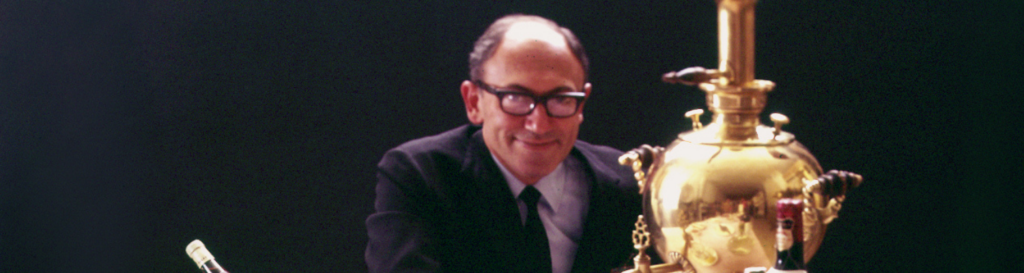
“For a man who loves people, Sidney Kaye thinks there’s no better life than running a restaurant. In a philosophical mood, he will divulge his pet theory: that the trend today is turning from the “tremendous” to the “particular”. He feels that the individual is coming back into his own, and that nothing could be better. People are demanding individual attention and “services” from business and Sidney Kaye is delighted with the whole idea.”
An excerpt from Sidney Kaye — Biographical Notes/Unknown Author
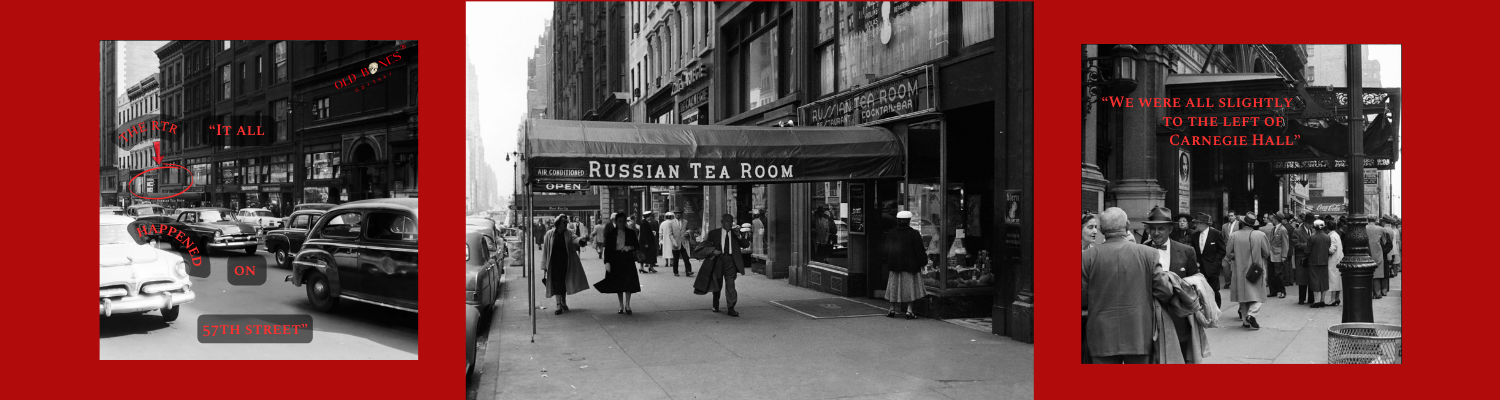
(Sidney Kaye bought into the Tea Room in 1947)
“Unique is hardly a word to be thrown around. Still, there are a lot of people—famous over‐achievers in the arts, musicians, dancers
and conductors who’ve been all over the world—who swear that the Russian Tea Room has no true counterpart anywhere.
What other restaurant that offers three kinds of caviar, 10 imported vodkas and such sturdy and exotic fare as pelmeny Siberian, would call itself a tea room?
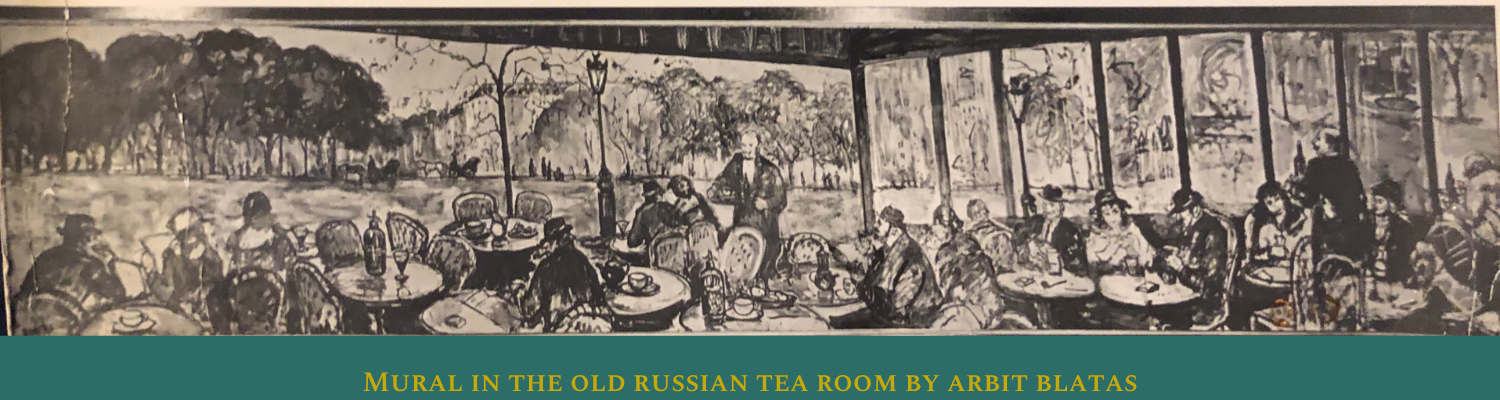
Where else are Christmas decorations —rows of gold tinsel and little red balls —left up all year, next to murals of the ballet, a collection of samovars, photograhs of such famous customers as George Balanchine and flocks of oil paintings in Barbizon frames?
(And somehow, against the dark green walls, they manage to look right together).”
“The Russian Tea Room Blend: Food and Memories” by Virginia Lee Warren in The New York Times
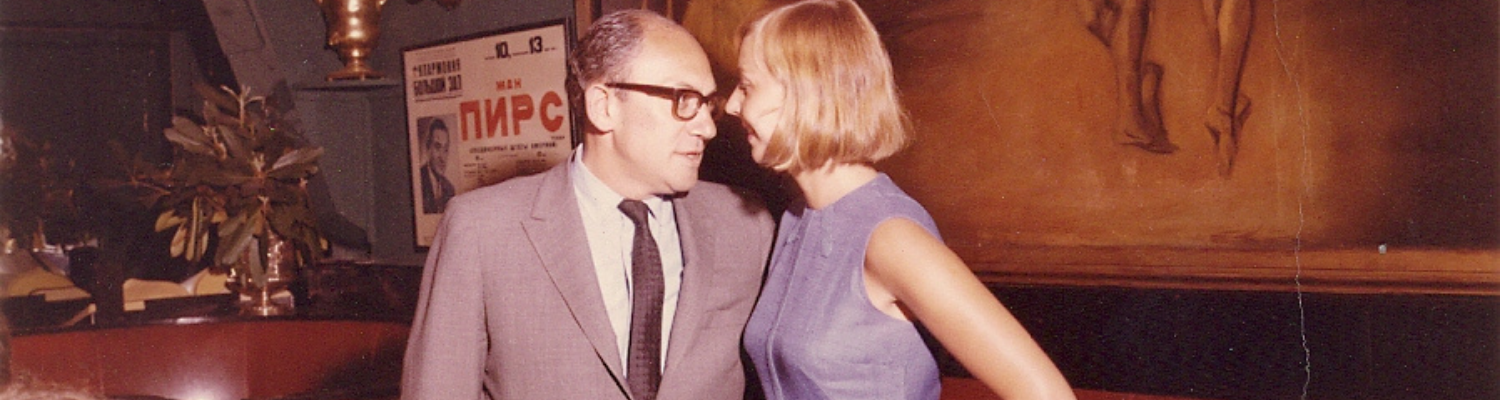
Sidney and Faith Kaye at The Russian Tea Room circa the 1960’s.
“Then I got my first good look at him.What struck me was his energy, which was almost explosive, and his humor, which was reflected everywhere in his face. He was a compact, a smooth, athletic-looking man with a large head, heart-shaped face, dimples, a sensuous mouth, big ears, a fringe of dark hair, and beautiful brown eye behind thick glasses. He had small expressive hands with short slim fingers that were always in motion and an enigmatic grin that seemed to imply he had a secret. He was not conventionally handsome but he was vitally attractive.” – Faith Stewart-Gordon – “The Russian Tea Room-A Love Story.”
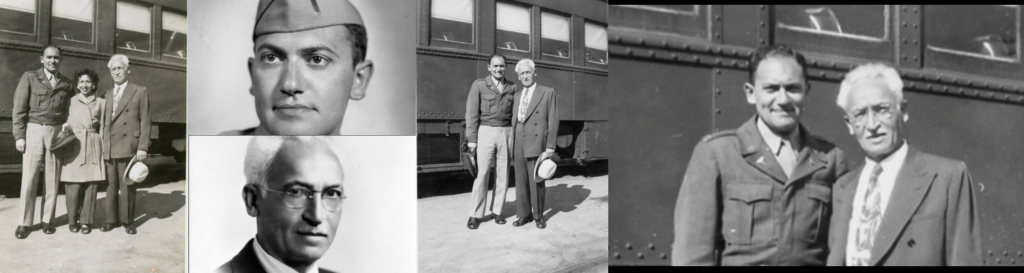
“My father was a famous restaurant man,” he told me. “He ran Gottlieb’s, in the West Thirties. He worked fifteen hours a day and talked about nothing else. Maybe that’s why I grew up hating the restaurant business. Pop was a strange man, with a great sense of pride and dignity. His favorite word was ‘ehrlichkeit,’ which means honor, honesty, integrity. He started in the old country as a butcher and later was famous as a buyer of meats. When I was six, he used to take me with him to the slaughterhouse and explain all the tricks in meat buying. He would walk up to a huge side of beef, light a match, stick his head inside and examine it like a doctor. He could run his hand lightly over a piece of raw meat and tell you the quality. I learned that stunt from him–I do all the buying here myself, you know.
“Pop used to say that it took courage and ehrlichkeit to give the public quality, because they didn’t seem to appreciate it. But he warned that when a restaurant owner believes his customers are dopes and starts to cheat and neglect and cut corners, then the joint is already on the way out. You got to give them the best–the best meat, the best butter, the best chicken, the best bread. I could teach anyone how to make côtelette á la Kiev as good as ours–if they only use top chicken and the finest sweet butter.” – Holiday magazine March, 1959
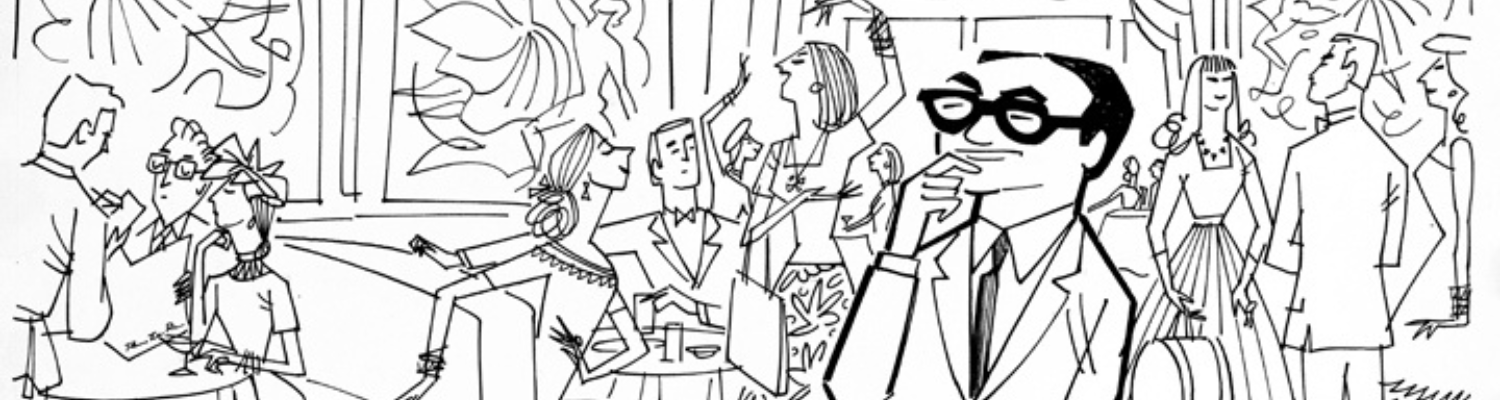
Pin-Pointing Sidney Kaye, Owner Of The Russian Tea Room
“Sidney Kaye, raconteur…gourmet…incomparable mixer of shashlik and show biz…in horn-rimmed glasses looks like a youthful (41) Groucho Marx…without them like Lord Byron…measures five feet ten inches…is unmarried at the moment…a bantam-weight bundle of energy…an inveterate table hopper…smokes incessantly…strictly observes his no-drinking-with-the-customers rule…is a patron and enthusiast of the fine and lively arts…guardian angel to 1001 “knights” of the theater, ballet, opera…dresses sartorially…loves long conferences with his tailor…favorite sports are squash and tennis…graduate of Wittenberg College…had a long U.S. Army hitch during World War II…captured a captaincy…then acquired the Russian Tea Room…sparked it up into a favorite gathering-place for singers, actors, musicians, ballet dancers, Broadway “characters”…often provides last-minute theater tickets for patrons…”makes matches” between actors and producers, musicians and managers…or acts as a marriage counselor…thinks a restaurant is a “state of mind”…that “blood is thicker than borscht”…that today’s trend in restaurants is away from the “tremendous” to the “particular.” – Unknown Author
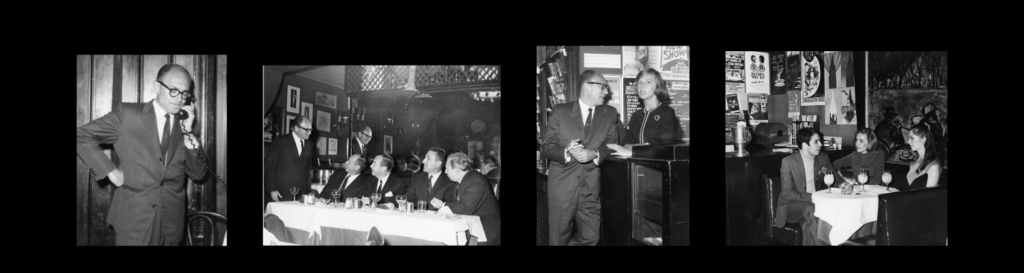
“Mr. Kaye was a familiar figure in his establishment. He wore impeccably tailored dark suits and black framed glasses, and he had a warm smile and easy wit and humor. He brought an atmosphere to the restaurant that combined European cafe and , as he said, “the tremendous effort to maintain a shabby gentility.”
– The New York Times August 8, 1967
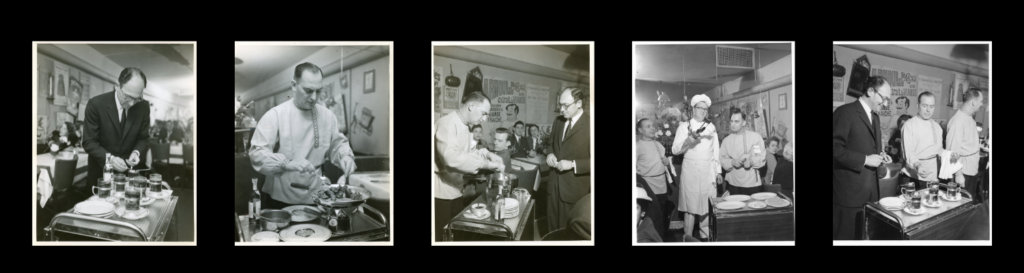
“Mr. Kaye took a personal interest in his patrons. “When people are hungry,” he said, “they are not themselves. Once they’ve had a drink, and dinner, they become human beings again. But you have to be careful when the blood sugar is low.” – The New York Times, 1967
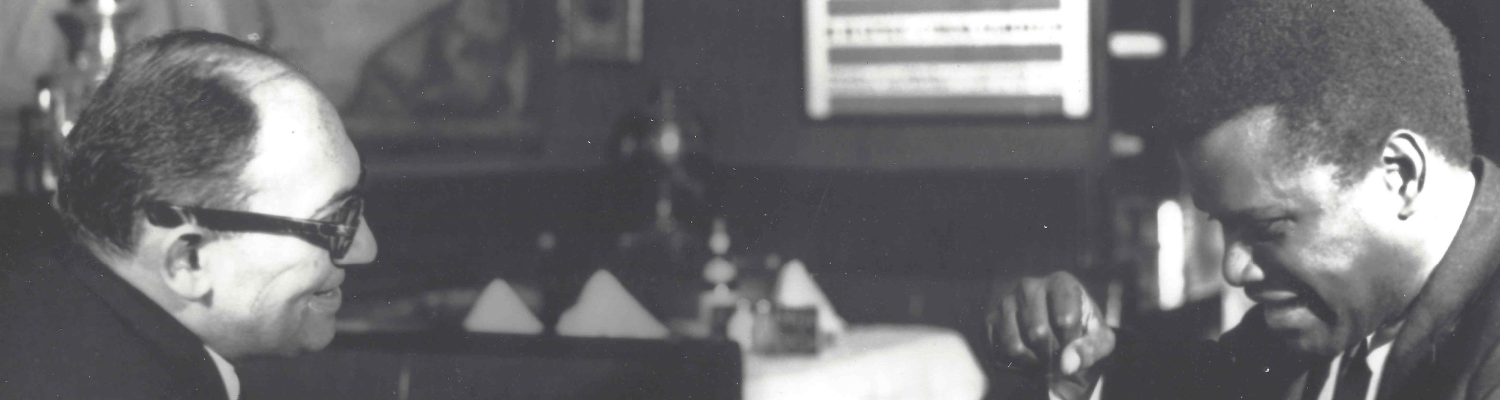
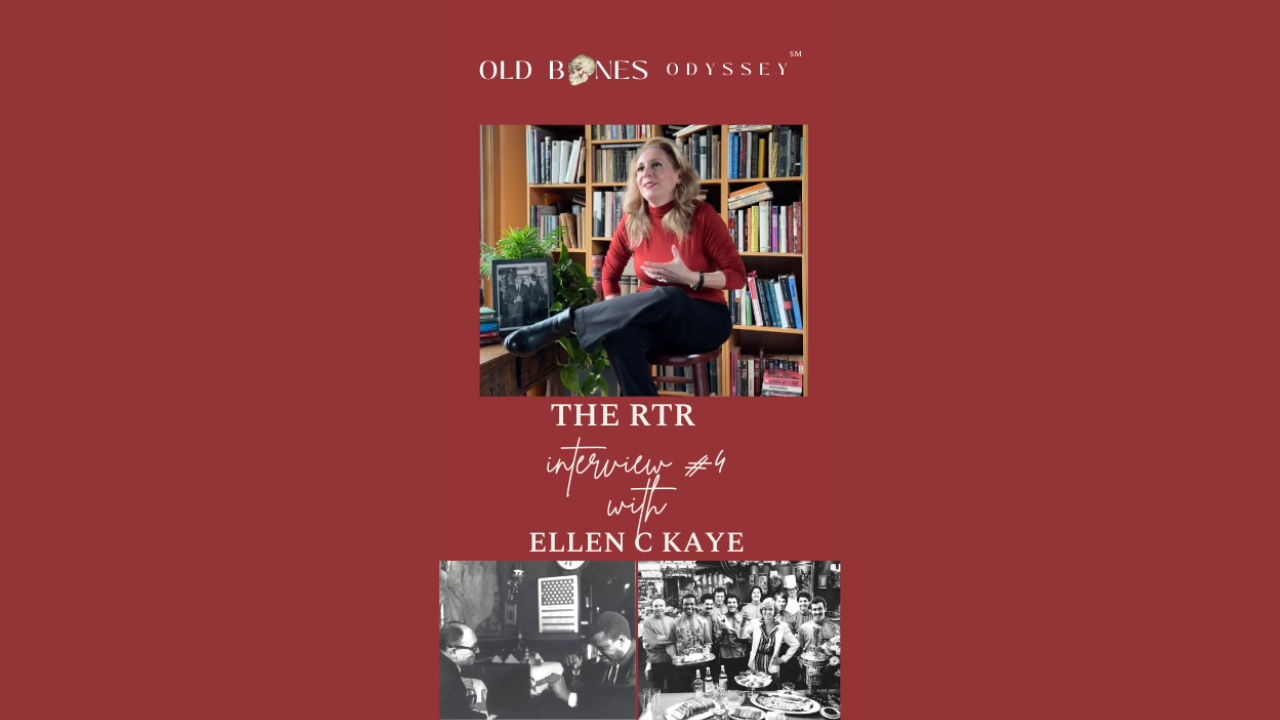
“The two Sidney’s at the RTR. I treasure this photo of my father, Sidney Kaye, with his dear friend Sidney Poitier. They’re sitting in the RTR. The banquette behind them is empty, so my guess is that it’s between lunch and dinner. A quiet time in restaurants. My father was ill with cancer for the first 7 years of my life, and whenever he was in the hospital Sidney would visit him religiously. They were deep friends.” – Ellen Kaye

“There was one thing Sidney wouldn’t tolerate. HG was having a vodka at the bar when a large man used the N-word. Sidney heard. He grabbed the man by the tie and coat sleeve. He shouted:”We don’t serve bigots!!!” and literally threw him out the front door. Sidney Kaye. HG’s kind of restaurateur…”
An excerpt from “Sidney Kaye. RTR. Naughty Noises.” by Gerald
Published: January 5th, 2011
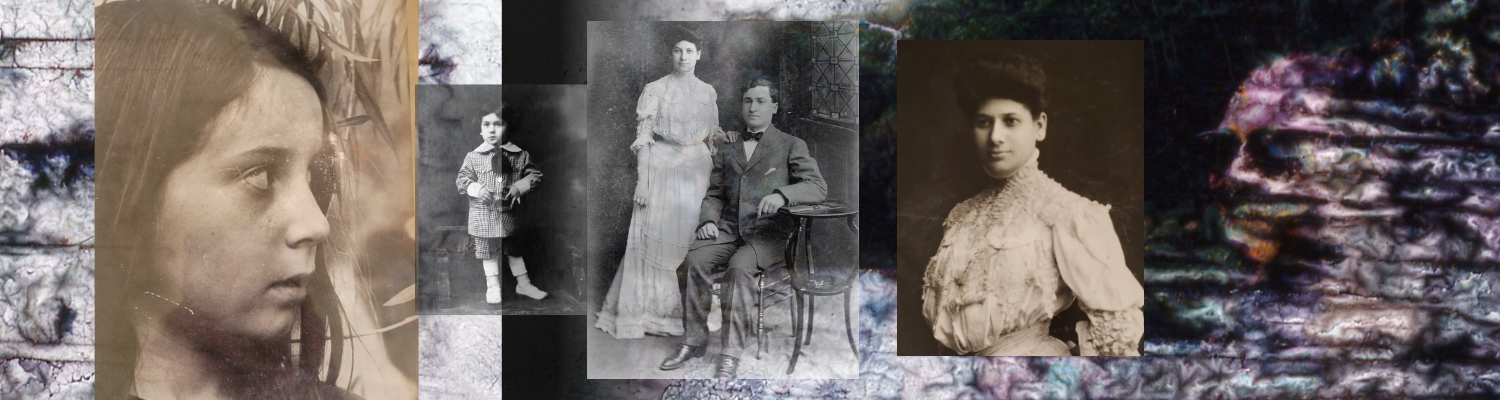
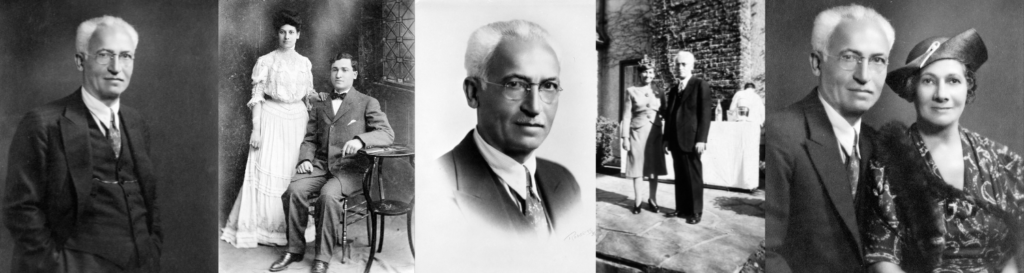
“Mr. Kaye was born here (America), the son of Russian-immigrant parents, Jacob and Anna Kalmanowitz — the family name was later changed to Kaye — and grew up in the restaurant business. His father had owned and operated two kosher restaurants in New York called Gottlieb’s from 1900 to 1932.” – The New York Times, 1967
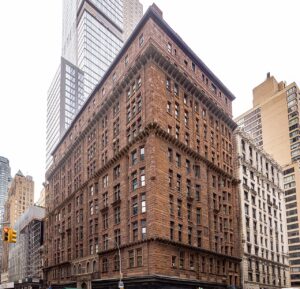
The Osborne on 57th Street where Sidney Kaye lived with Faith and Ellen
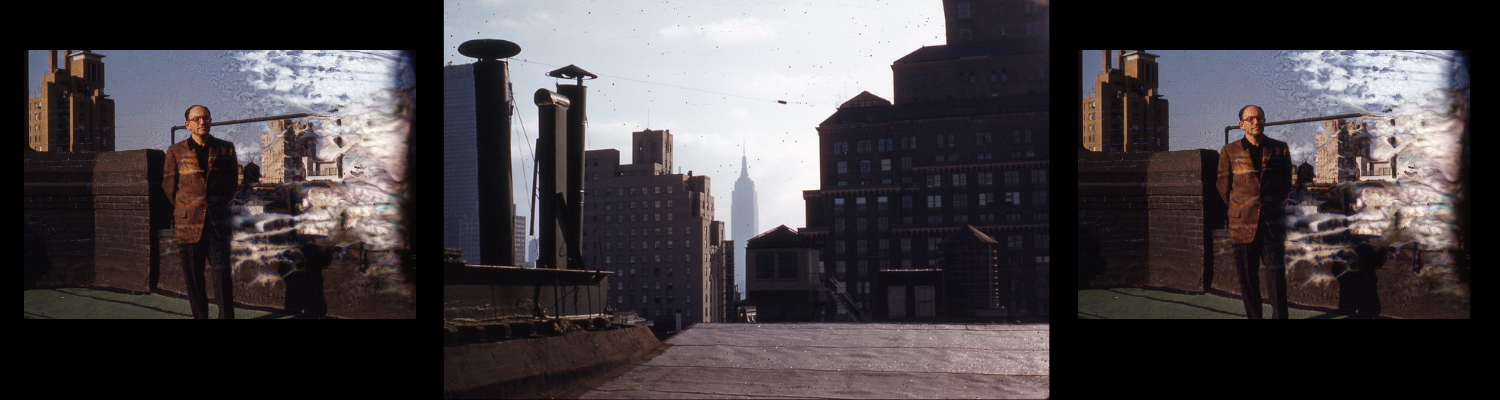
(Sidney Kaye on the rooftop of the Osborne – circa 1960’s)
“From our rooftop, we could lean over the wall and see our restaurant across the street. When he was home, my dad would count the people walking in and rejoice if it was busy and agonize if it was slow. We lived by the cover counts at lunch and dinner, everyday and every night, waiting for the cash register tally. On the rare occasion he was home in the early evening, he’d hang over the edge of the building, see how the restaurant looked and then call down to the maitre d’hi to say “turn on the goddamn outside lights.” – Ellen Kaye
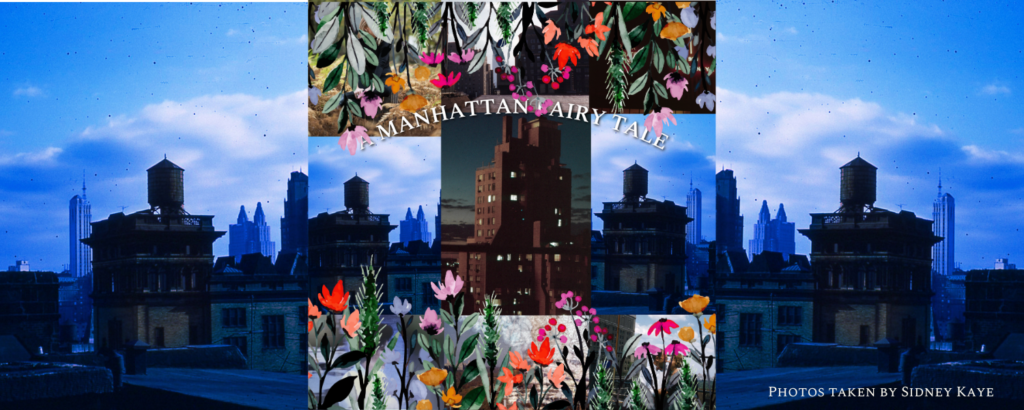
We lived on the top floor of the Osborne, in a kind of ramshackle apartment. A converted bicycle shed, twelve stories up. Our view was a real cityscape. On one side we saw Alwyn Court, which inspired the film “Rosemary’s Baby.” On the other side, we saw all the way up to the top of Central Park on 110th Street. – Ellen Kaye
Growing up, my family lived in the Osborne, built in 1885, an old and somewhat haunted building on West 57th Street, (in New York City). We were diagonally across the street from Carnegie Hall and the restaurant my parents owned – The Russian Tea Room. – Ellen Kaye
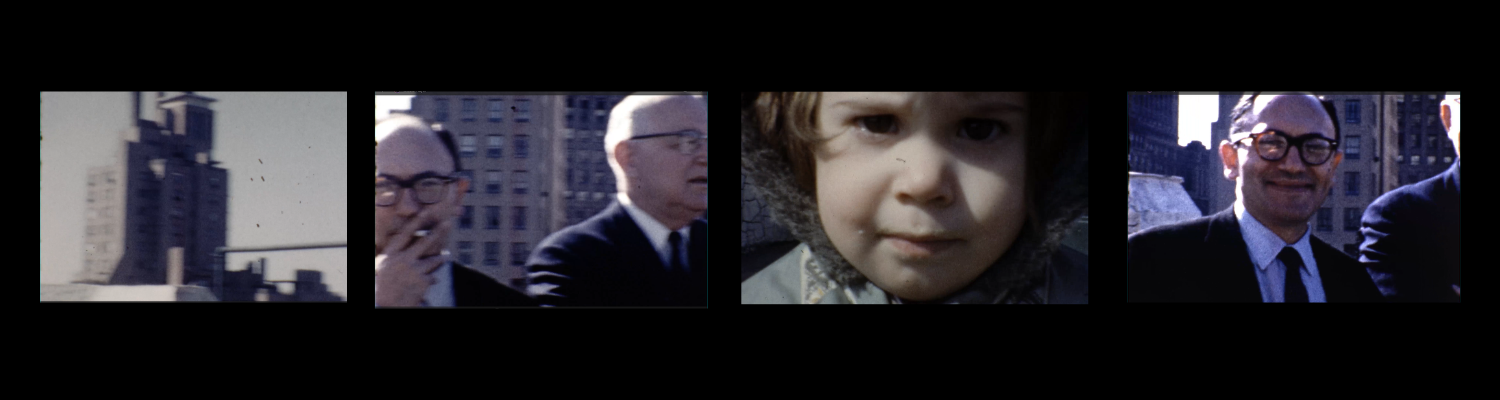
Life can be complicated
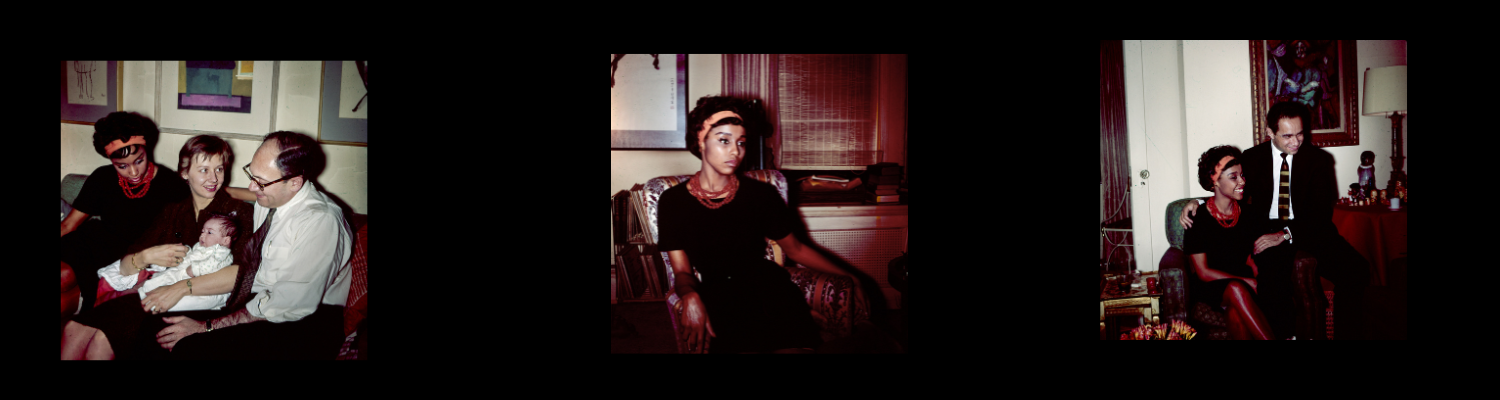
“I found these slides of Diahann Carroll visiting us at home at the Osborne on 57th street when I was a newborn.
In the last picture she is with her husband Monte Kay.” – Ellen Kaye

sidney kaye obits
Sidney Kaye, Host to Celebrities At Russian Tea Room, Is Dead – August 8th, 1967
Sidney Kaye, proprietor of the Russian Tea Room, long a popular gathering place for musicians, actors and other celebrities, died in Memorial Hospital yesterday after a long illness. He was 53 years old. In 1946, with $400 from his Army savings, Mr. Kaye went into the restaurant business with Phil Rosen, later the owner of the Chambord and Stockholm restaurants. They and other partners bought and sold several restaurants, but when they bought the Russian Tea Room, next to Carnegie Hall, that September, Mr. Kaye decided to stick with it. By 1955, he had bought out the other partners. Mr. Kaye was a familiar figure in his establishment. He wore impeccably tailored dark suits and black-framed glasses and he had a warm smile and easy wit and humor. He brought an atmosphere to the restaurant that combined European cafe and, as he said, “the tremendous effort to maintain a shabby gentility.” The Russian Tea Room was founded in 1927 across the street from its present site at 150 West 57th Street. It was originally a tea room and pastry shop run by Albertina Rasch, the ballerina, and from the beginning it became a haven for the ballet world. After Prohibition the tea room became a restaurant and bar.
Old World Charm
A friend recalled Mr. Kaye’s philosophic pessimism as well as his expansive generosity. He was always ready to make a loan to an actor friend or employee, the friend said. Mr. Kaye considered the old-world quality of the restaurant sacrosanct, and never wanted to change the interior. He decided never to remove the Christmas balls and tinsel from the chandeliers in the dining room, because, he said, “Christmas comes around again so soon.” He even had the Christmas tree remain in the front window all year because, he said, “It looks so Russian.” Mr. Kaye took a personal interest in his patrons. “When people are hungry,” he said, “they are not themselves. Once they’ve had a drink, and dinner, they become human beings again. But you have to be careful when the blood sugar is low.” Mr. Kaye was born here, the son of Russian-immigrant parents, Jacob and Anna Kalmanowitz — the family name was later changed to Kaye — and grew up in the restaurant business. His father had owned and operated two kosher restaurants in New York called Gottlieb’s from 1900 to 1932. The son was graduated from Wittenberg University in Springfield, Ohio, in 1935, became an industrial chemist and taught chemistry in high schools here. He also attended New York University and Columbia University. He entered the Army in 1942 as a private and rose to captain, after serving in hospital administration in the United States and England. In 1957 he married Faith Burwell, an actress, who joined him in the restaurant’s management and who will continue to operate it. Also surviving Mr. Kaye are a son by a former marriage, Joel Kaye; a daughter, Ellen Courtney Kaye; his mother; a brother, Walter, and two sisters, Mrs. Jan Peerce, wife of the operatic tenor, and Mrs. Maye Oldin. A funeral service will be held today at 11:30 A.M. at the Riverside, Amsterdam Avenue and 76th Street.
The New York Times – Published August 8, 1967
The Late Sidney Kaye Was More than a Restaurateur
Sidney Kaye, proprietor of the Russian Tea Room, a favorite haunt of New York and visiting dancers, ballet masters, impresarii, concert managers, musicians, conductors, actors, et. al., died Aug. 7 at the Memorial Hospital after a long illness. He was 53 years old. Mr. Kaye, in partnership with Phil Rosen, a well-known restaurateur, bought the Russian Tea Room in 1946 from Sasha Maieff, who had leased the premises from Carnegie Hall, the landlord, after the former proprietor, who had operated the place as an actual tea room and pastry and chocolate shop, left at the expiration of his lease. After reconstructing the place into a proper restaurant, without changing its name, Mr. Maieff opened it in the fall of 1931. In 1955 Mr. Kaye bought out his partner, Mr. Rosen, and continued to run the restaurant on his own. He was wise not to attempt to change the atmosphere of the restaurant as it had been created, or had just evolved owing to the personality of the majority of its steady guests. He was actively managing the Tea Room until some two months before his untimely death.
Interest in Guests & Employees
Mr. Kaye took a close interest in his guests as well as in his employees. His interest manifested itself in many ways. At the beginning of his career as host of the Russian Tea Room he would buy tickets to opening nights of ballet performances, send flowers to ballerinas, attend important concerts at Carnegie Hall. Later these activities lost the form of a ritual, but Mr. Kaye was never very far from a ballet, a modern dance performance, a theatre, or a concert hall. Since the late fifties his natural goodness had created a somewhat different form of kindness. A frequent guest of the Russian Tea Room lost his job and for a variety of reasons could not find a new one. Mr. Kaye noticed that the guest had not been to the restaurant in weeks and made some inquiries. When the guest finally showed up for lunch, Mr. Kaye sat down with him in a booth and told him that he was invited to take his usual meals at the Tea Room and sign for them until he found another job. When the man left, happy in the security of not going hungry, Mr. Kaye instructed the cashier to void the man’s bills until further notice. A similar case involved an aged un-employable actor who had been taking all his meals at the Tea Room for some two or three years on the same conditions until he was taken to a hospital a few days before his death.
A Different Case
A different case dealt with an employee of the restaurant who took out a life insurance policy at the suggestion of Mr. Kaye, so that he would be able to leave his wife and children $20,000. To make certain that the premiums were paid, Mr. Kaye instructed his bookkeeping department to deduct the monthly premiums from the man’s salary and pay the premiums in the employee’s name. This worked for a few years, but then the man told Mr. Kaye that he wanted to cancel his policy because he needed the premium money for something else. Mr. Kaye agreed, and the deduction from the man’s salary was cancelled. The man died some three years later, and Mr. Kaye was able to hand his widow a check for $20,000. He had been paying the premiums on the policy out of his own pocket. It goes without saying that these are only examples of Mr. Kaye’s kindness. Sidney Kaye was born in New York of Russian-immigrant parents, Jacob and Ann Kalmanowitz, later changed to Kaye. He was graduated from Wittenberg University in Springfield, Ohio, and attended Columbia and New York Universities. He entered the Army in 1942 as a private and rose to captain, serving in hospital administration in Europe and here. In 1957 he married Faith Burwell, an actress, who joined him in the management of the restaurant and who will continue to operate it. Also surviving are his mother; a son by a former marriage, Joel Kaye; a daughter Ellen Courtney Kaye; a brother, Walter, and two sisters, Mrs. Jan Peerce, wife of the famous tenor, and Mrs. Maye Oldin.
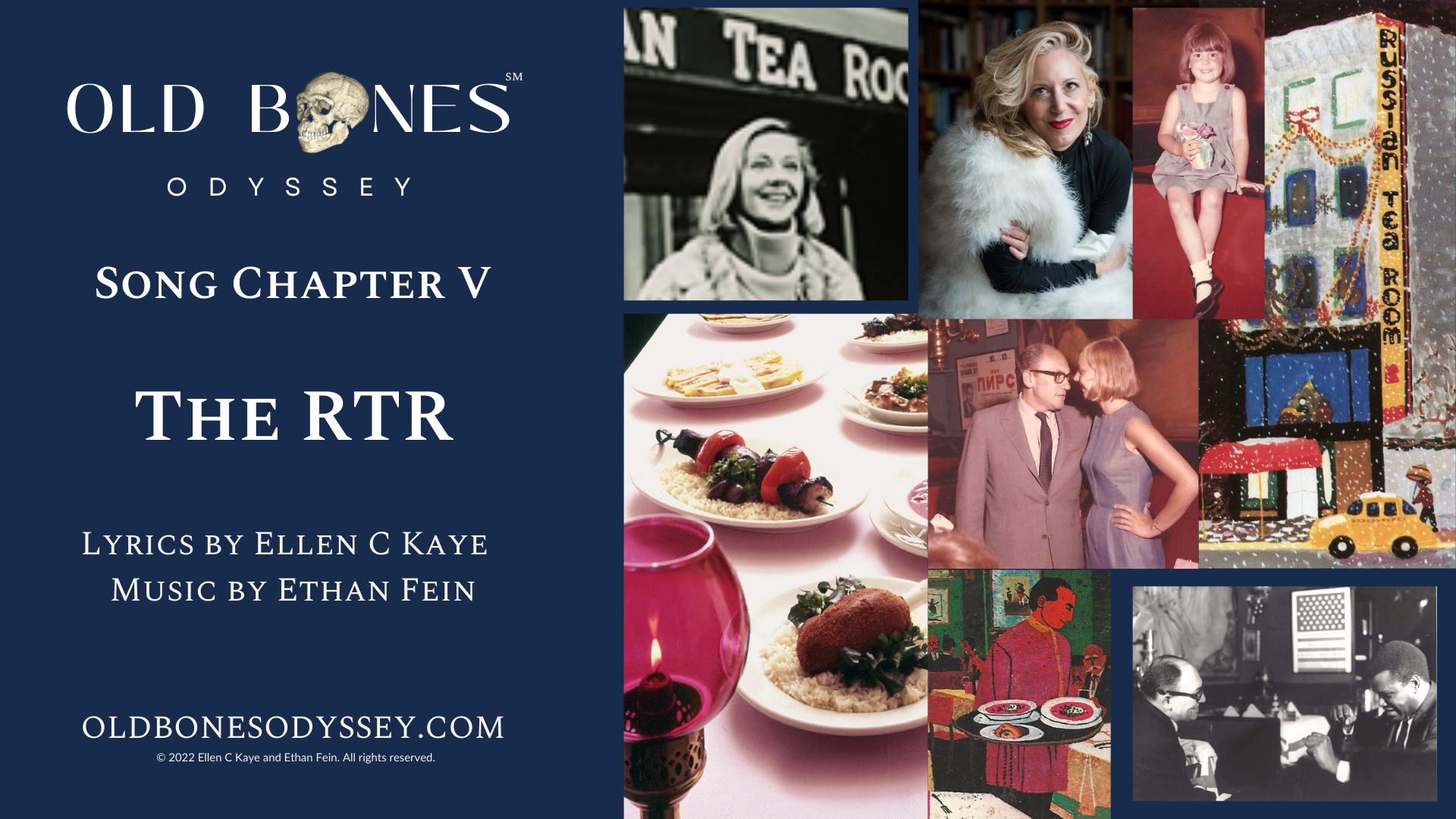
listen to ellen's original song where we capture the milieu of the white russians at the rtr
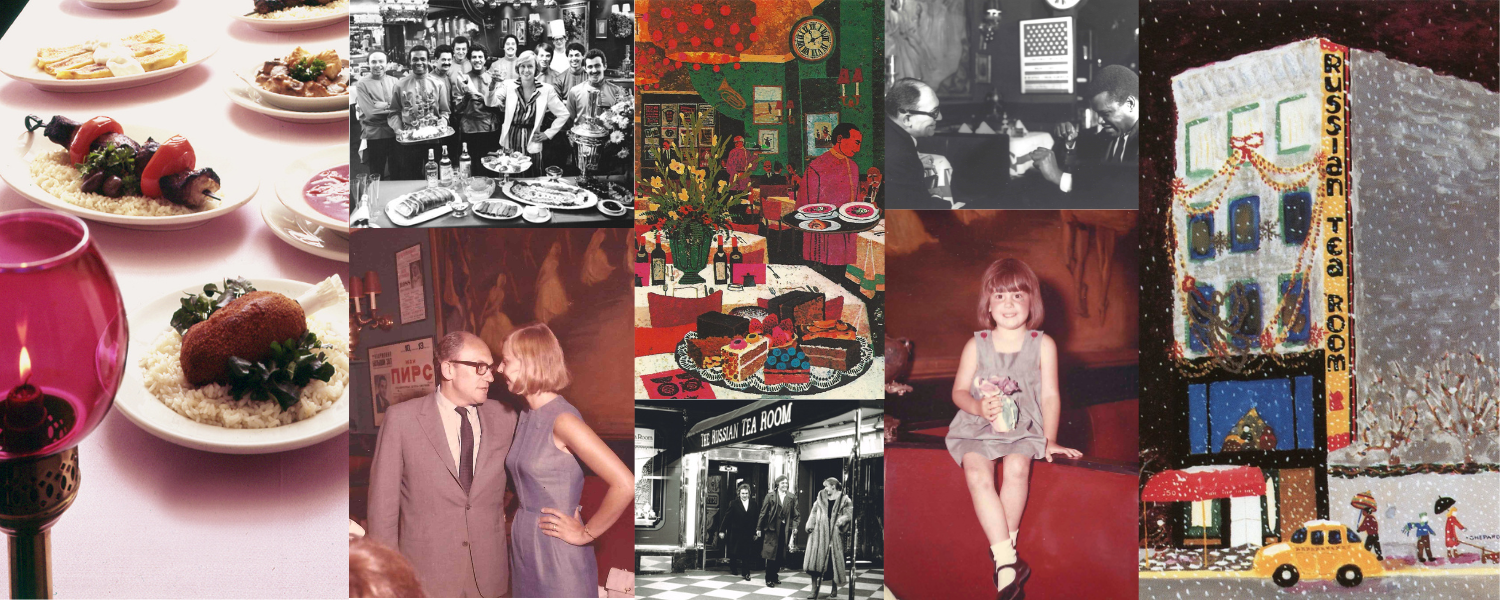
Ellen's early memories
My family once owned the Russian Tea Room on 57th Street in New York City next to Carnegie Hall. It was a quintessential New York watering hole. Full of characters. From the people who worked there to the movie stars, the theater legends, their agents and managers, the eclectic New Yorkers, tourists from all over America and all over the world. It was a fabulous, hilarious place.
My father Sidney Kaye owned it from 1947-1967. When he died my mother Faith Stewart-Gordon took over and ran it very successfully till 1996.
My earliest memories in my life are of the RTR, or the “ol’ watering hole” as my mother liked to call it. My father Sidney owned it and for the first seven years of my life it was my home away from home, across the street from our apartment. He died when I was seven and for me the restaurant became the embodiment of him. My mother took over the reins, and what my father had built, and took the place to a whole other level. She was a groundbreaking woman in a famously male dominated industry.
My memories are of a dazzling, whacky, red and gold swirling non-stop world with wonderful people rolling in and out every moment. That place held my heart. This song, “The RTR,” is an ode to those days, to that funny little building crammed into a hectic New York City street. A little building that seemed so much bigger than it was. Written partly through the eyes of a child, mostly through longing and remembrance of a golden place. Completely, as a loyal and devoted lover of all things deeply New York City. Especially the people who live in it.
the back story to the song
History in a nutshell told by a nightclub singer, not an historian.
“And White Russians steeping tea bags in free boiling water!”-Ellen Kaye
- A Little Russian History.
The Russian people lived as serfs for thousands of years. In 1917 they overthrew the Czar, the king of Russia. The aristocrats of his empire who survived the violence of the Communist revolution, called by some the “White Russians,” fled to various parts of the world. Many of them landed in New York City. Not a few had hit financial hard times.
- A Little Russian Jewish History.
The Czars of Russia were not overly fond of the Russian Jewish people. The Czar sent his Cossacks, his horse guard, to beat and kill my ancestors in sweeping pogroms. My father’s people came here, fleeing from the murder and mayhem.
- A Little White Russians At The RTR History.
And then NYC being what it is, and life being what it is, the Czar’s relations ended up in our restaurant,The RTR, due to its Russian identity. And, what I’ve recently learned, is that the owners of the Tea Room before my father’s time were possibly “White Russians,” so that also explains their hanging hard at the Tea Room when my father took over.
According to family lore, there were a large group of them. They would descend on the banquets and while away the afternoons, ordering boiling water and supplying their own tea bags. My father would watch with growing anger and after a bunch of days would kick them all out screaming “get the hell out of my restaurant.” Time would pass and they would all return and the entire cycle would begin again.
My Personal Backstory To The Song
“My memories are of a dazzling, whacky, red and gold swirling non-stop world
with wonderful people rolling in and out every moment.”-Ellen Kaye
The RTR Playlist
5:47
5:45
0:54
An Interview with Ellen talking about song writing, white russians, blini, and all of the crazy
The RTR Playlist

0:54

1:03

0:56
1:06
listen to the old bones odyssey original songs below
The songs Old Bones Odyssey and These Walls Are Alive are the main themes of our entire project. They are inspired by the people that fill our stories.

"old bones odyssey" - the album.
please click here for our linktree