




larry peerce
obo family archive
My cousin Larry Peerce is a brilliant filmmaker. His films show how close he rides the American pulse.
We’re sharing some jumping off places to his work and an interview we did with him back in 2013.
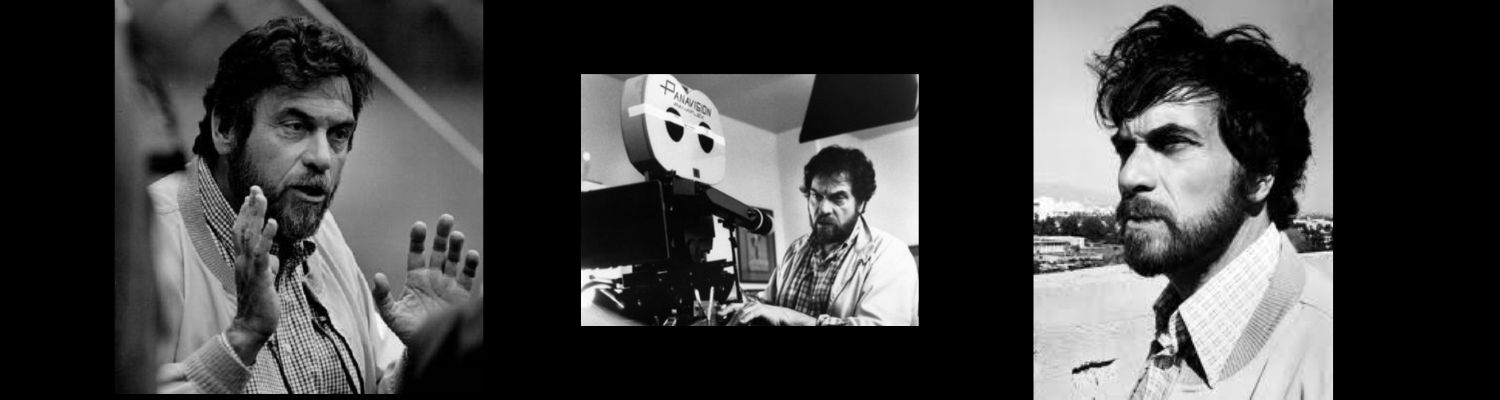
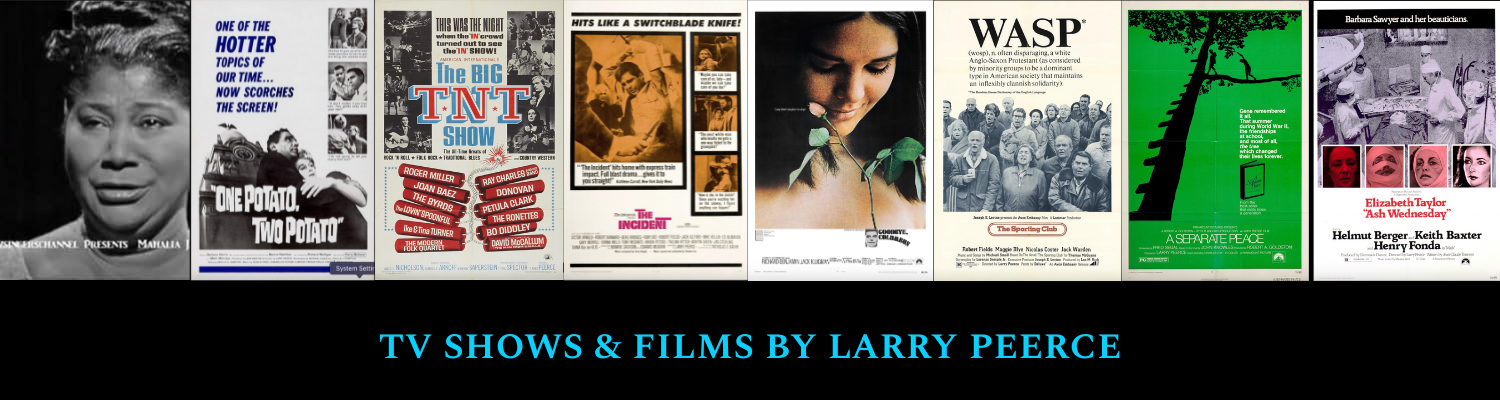
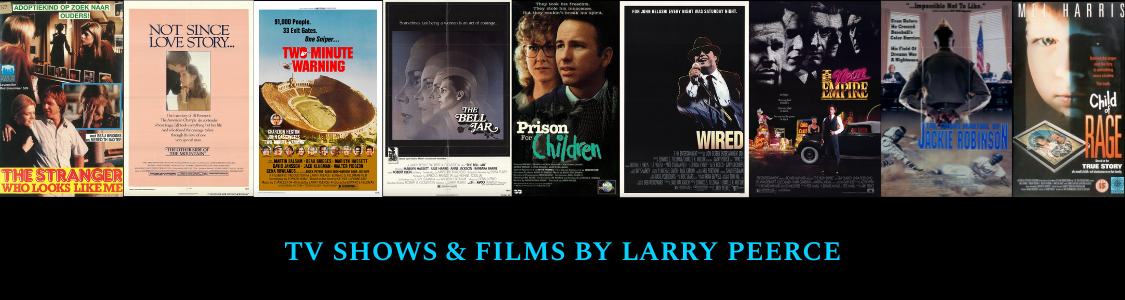
From his directorial debut at age 34, and throughout his 36+ years in the film industry, Larry Peerce has directed films addressing hot topics of our time, social justice, and those exploring our human existence, in addition to providing decades of entertaining drama and humor in film and television.Born the son of renowned Cantor and Opera Singer, Jan Peerce and talent agent, Alice Kalmanowitz Peerce, Larry spent 36+ years directing over 30 feature length and made-for-TV films, as well as many episodes of major television series, such as “Branded,” “The Wild, Wild West,” “Touched by an Angel,” “Batman,” “The Green Hornet,” “The Legend of Jesse James,” “The Loner,” “Wackiest Ship in the Army,” and “Felony Squad.”
From the onset of his directorial career, Peerce never shied away from presenting important relevant issues of our time, whether it be integration, discrimination, miscegenation, misogyny, or class and culture war. He also directed many dramas, thrillers, comedies and biographical dramas. Over his more than three decades in the industry (from 1964 until his retirement in 2001), he directed many of the major stars we have grown to love to watch, including many in their film debuts.
here is a clip from an article about larry's career
"unsung auteurs:larry peerce" - written by erin free
“FilmInk salutes the work of creatives who have never truly received the credit they deserve. In this installment: director Larry Peerce, who helmed “The Incident,” “Two-Minute Warning” and “The Other Side Of The Mountain.”
Like so many directors featured in the Unsung Auteurs column (including the likes of Stuart Rosenberg, Martha Coolidge and many more), it’s difficult to comprehend why Larry Peerce is so under-known considering the list of strong and impressive films that make up his resume. While his position as something of a “journeyman” (there are a lot of telemovies on his CV) might have something to do with it, there is a very strong throughline that runs across Larry Peerce’s work in terms of style, content, thematic concerns, and even casting, with the director enjoying strong collaborative relationships with actor Beau Bridges, himself a truly underrated talent, and Marilyn Hassett, a now near-forgotten star of the 1970.”
To read more please click here
to catch some of larry's films please look below
we think he knocked it right out of the park
"one potato,two potato" - a film by larry peerce - 1964
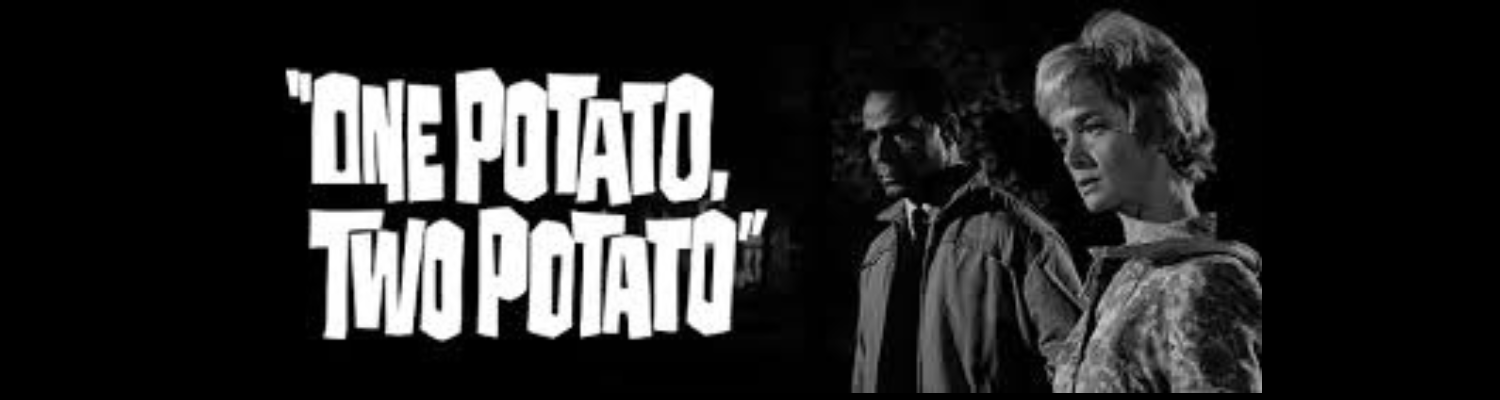
“One Potato, Two Potato,” released in 1964 by two newcomers to the movie scene, director Larry Peerce and producer Sam Weston, who partnered to bring the first independent film in the United States to the big screen to explore the traumatic effects of an interracial marriage. Originally filmed on a low budget and rejected by Hollywood, its financial success helped future films break Hollywood’s tradition of avoiding movies with racial themes.
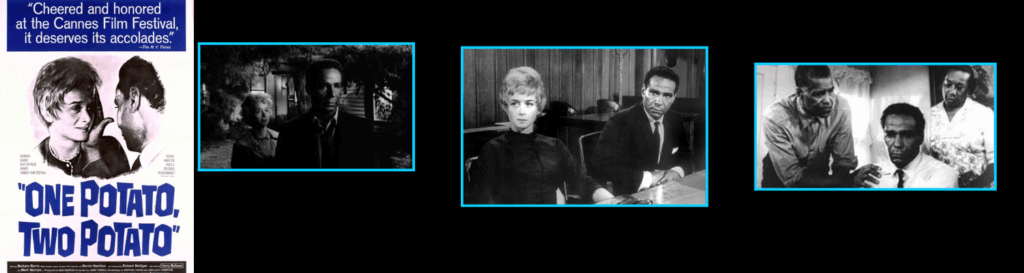
The film was listed by the New York Times as among the 10 best films of 1964 (https://www.nytimes.com/1964/12/27/the-10-best-films-of-1964.html) and received high accolades at the Cannes Film Festival that same year, with Barbara Barrie winning the Best Actress Award for her performance (tying with Anne Bancroft in “The Pumpkin Eater”) and naming Peerce one of the nominees for Palme D’Or (Best Director). It was also nominated for Best Original Screenplay at the 1964 Academy Awards.
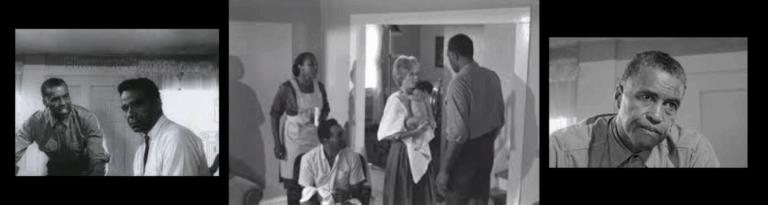

According to an interview Peerce gave to the New York Times in a 5/4/64 article, Peerce originally sent the film in March 1964 to the film selection committee in Hollywood for submission to the Cannes Film Festival. The selection committee rejected the film claiming that the subject would be misunderstood abroad. After learning that the committee had only viewed 35 minutes of the 142 minute film (purportedly at the time of the marriage proposal scene when the movie’s theme becomes clear, after “the Negro gently kisses the woman in the car…” https://www.nytimes.com/1964/05/04/archives/judges-in-cannes-see-new-us-film-one-potato-two-potato-is-lowbudget.html) Peerce screened the film abroad in Paris for French film critics and American correspondents who were responsible for convincing the Cannes festival director to allow its entry into the festival.
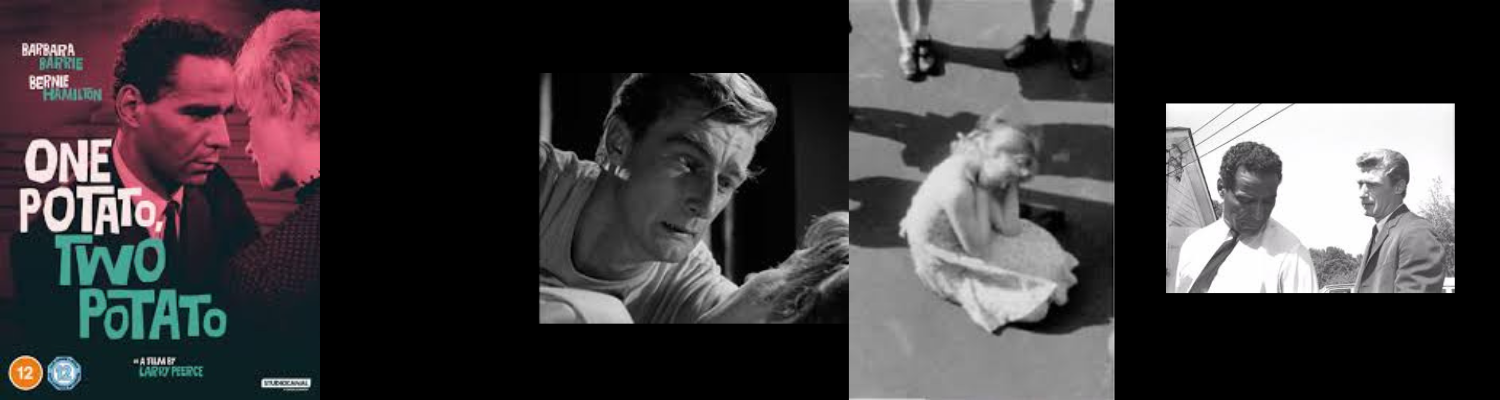
Released months after the Civil Rights Act of 1964 became law, many southern theaters refused to show the film. There were at least 17 states that still carried miscegenation laws on the books, making nationwide distribution of the film an issue. After Peerce appeared on “The Tonight Show” with Johnny Carson and a clip of the movie was played, more distributors and theater owners agreed to show the film. Eventually, the film was screened in 250 theaters throughout the South, although only 30 – 40 of those theaters had an integrated viewership, with the majority of the theaters playing exclusively to African American viewers.
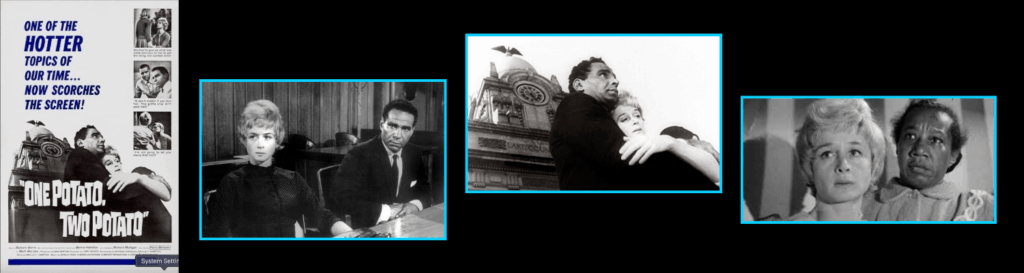
Also starring in the film, besides Barbara Barrie, were Bernie Hamilton, Richard Mulligan, Harry Bellaver, Robert Earl Jones, Vinette Carol, Sam Weston (who was also the producer of the film), Faith Burwell (later known as Faith Stewart-Gordon – Ellen’s mom and co-owner of The Russian Tea Room until 1995), Jack Stamburger and Michael Shane.

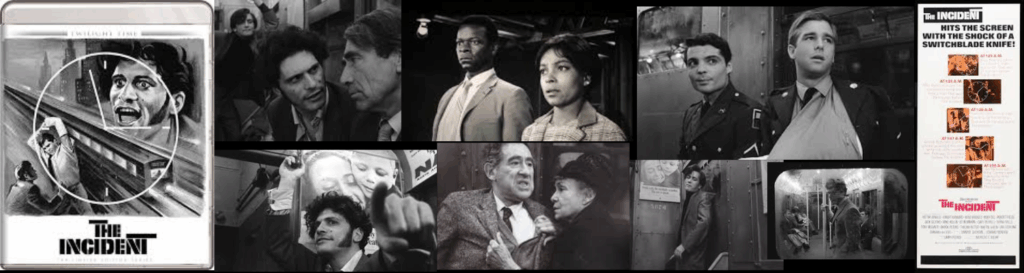
"the incident" - a film by larry peerce - 1967
In 1967 Peerce brought to the big screen a social parable about urban cowardice, “The Incident,” a film about riders on a NYC subway train terrorized and paralyzed by fear, by two young hoodlums late at night in the Bronx. Calling it “sort of an urban Western,” Roger Ebert wrote, “the movie works; it delivers the goods. It creates the suspense and fear it tries for.”
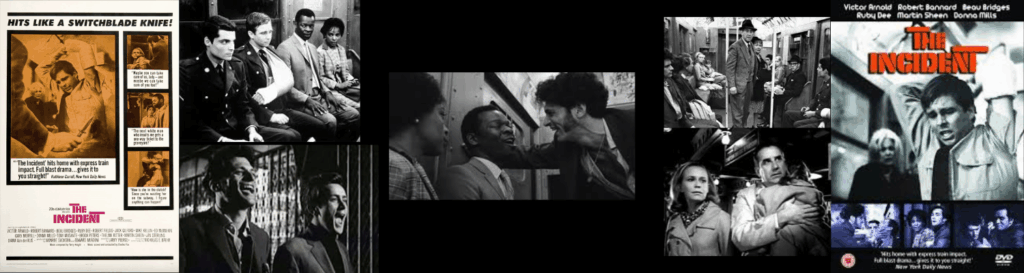
Calling it “a jarring film about toxic and ‘passive’ masculinity as cruel spectator sport,” Omar Moore, in The Medium, wrote, “The stark black-and-white footage feels like a potent mirror of our true primal selves as human beings, that disturbing, unregulated self. Surely, Mr. Peerce’s film in color would taint, scar and obstruct these desperately selfish and troubled reptilian creatures of New York City.”
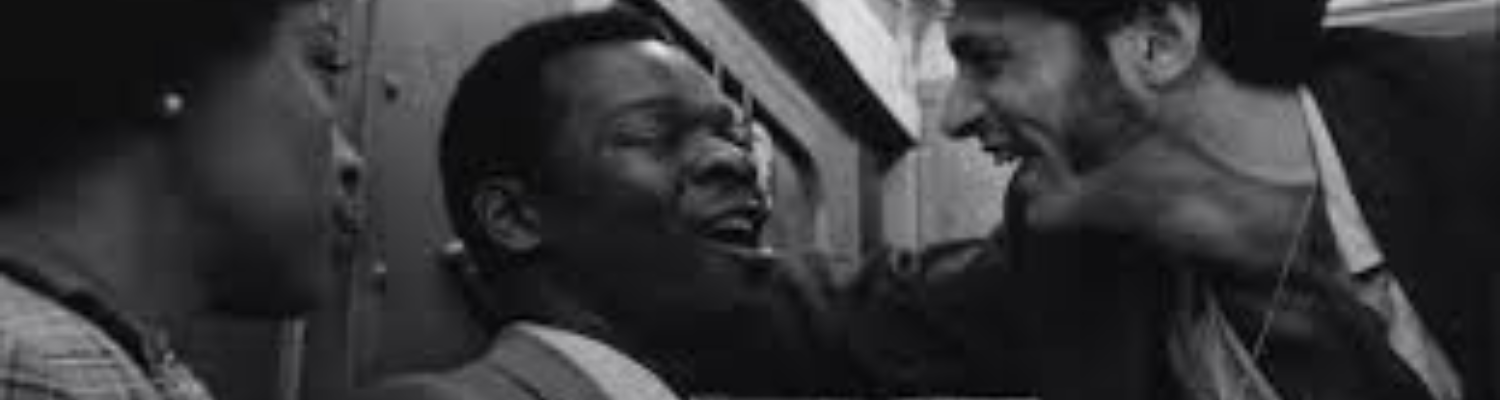
Shot in black and white, “The Incident” is classic film noir, every scene a thriller, taking place in a Hollywood recreation of an IRT subway car which was built using actual original blueprints. The film nearly didn’t happen when production was shut down days into the initial filming when the film’s major financiers pulled out. Peerce reportedly said, “the checks started bouncing” before Twentieth Century Fox stepped in and financed the remainder of the film. The film earned Peerce the Critics Grand Prize Award at Mar del Plata Film Festival, Argentina in 1968. It was also the 1970 winner of the Cinema Writer’s Circle Awards, Spain, for Best Art and Experimental Film, 1968 winner Best Actor Award for Tony Musante at the Mar del Plata Film Festival, 1968 winner Best Screenplay Award at the Mar del Plata Film Festival, and 1968 nominee for Peerce in Best Film, International Competition.
The film starred Martin Sheen in his first feature film acting debut and Ed McMahon with his first feature film acting credit, along with Tony Musante, Beau Bridges, Ruby Dee, Jack Gilford, Gary Merrill, Donna Mills, Thelma Ritter and Jan Sterling.
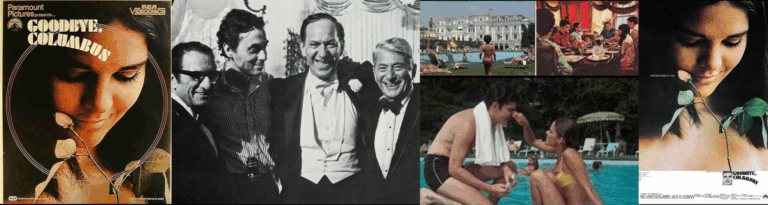
"goodbye, columbus" - a film by larry peerce - 1969

Peerce also directed the 1969 blockbuster, “Goodbye, Columbus,” the ninth top grossing film of 1969. It won Best Motion Picture for Musical or Comedy at the Golden Globe Awards, Ali McGraw won Most Promising Newcomer at the Golden Globe Awards, Peerce was nominated for Outstanding Directorial Achievement in Motion Pictures at the Director’s Guild Awards, and it was nominated or won numerous awards at various other award ceremonies.
Continuing with his vision of telling stories about the social mores of our time, Peerce directs the screen adaptation of Philip Roth’s novella examining the cultural clashes of the “new morality” of the sixties, class differences and romance through a Jewish lens, winning the Writer’s Guild of America’s Best Comedy Adapted from Another Medium Award in 1969.
Besides Ali McGraw in her feature film debut, the film also starred Richard Benjamin, Jack Klugman, Nan Martin, Royce Wallace, Mari Gorman, Sylvie Strause, Kay Cummings, Monroe Arnold, Lori Shelle, Michael Nouri and Michael Meyers in his only film acting role.
"the court martial of jackie robinson" a film by larry peerce - 1990
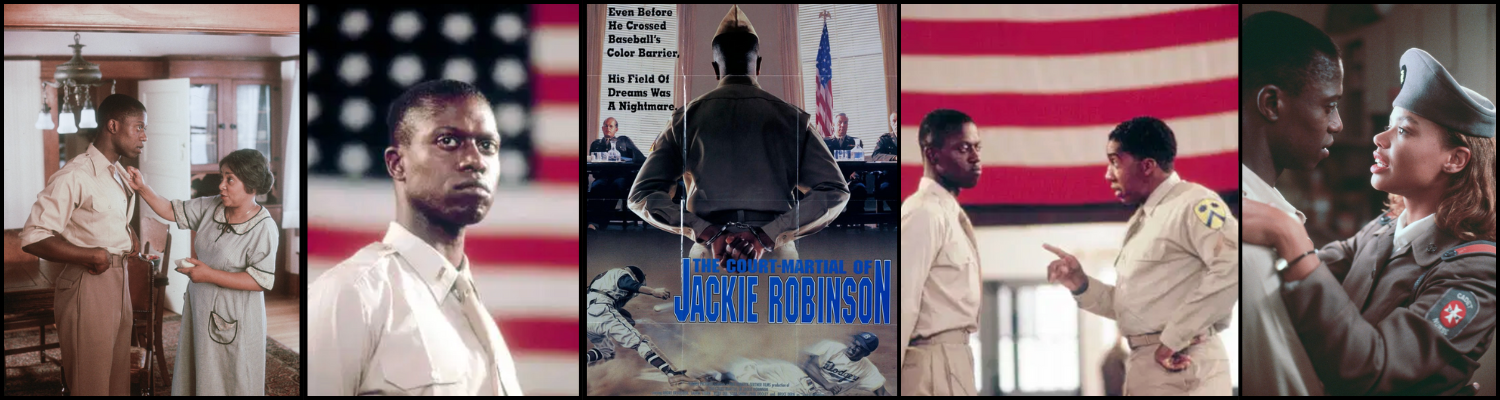
In 1990, Peerce reunited with Ruby Dee to direct a TV movie about baseball star, Jackie Robinson, in “The Court-Martial of Jackie Robinson,” a film about Robinson’s early life in the military and his court-martial for insubordination before he became a star, breaking Hollywood’s color barrier. The film also starred Andre Braugher, Daniel Stern, Stan Shaw, Paul Dooley, Bruce Dern, Jim Beaver, Kasi Lemmons, J. A. Preston, Michael Greene, Dale Dye, Steven Williams, Noble Willingham, Gary Grubbs, Don Hood, Howard French, Travis Swords and Chris Kinkade.

Peerce again tackles our country’s shameful past of segregation and social injustice by revisiting Robinson’s career in the United States Army as a second lieutenant in WWII. Robinson was drafted into the army in 1942 and assigned to a segregated cavalry unit in Kansas. Along with a few other black soldiers, Robinson qualified for Officer Candidate School (OCS). Although allegedly drafting race neutral qualifications for OCS, the military often delayed and prevented Black applicants from advancing. With the help of heavyweight boxing champion Joe Louis, who was also stationed with Robinson in Kansas, as well as Truman Gibson (an assistant civilian aide to the Secretary of War), Robinson was ultimately admitted to OCS and commissioned a second lieutenant. He was reassigned to the 761st Black Panthers Tank Battalion at Fort Hood, Texas.
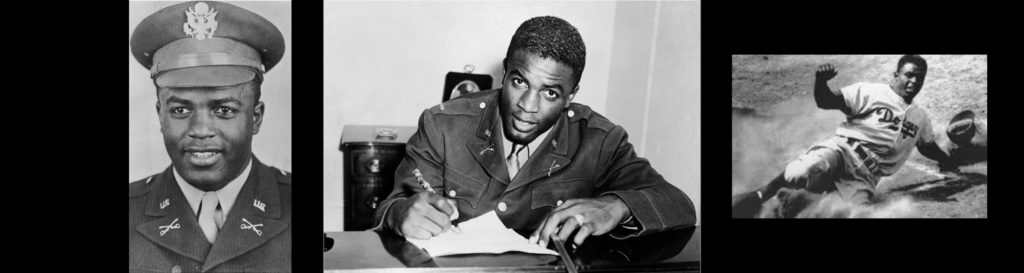
In June 1944 Robinson boarded an Army bus to return to the fort when he was ordered to the back of the bus by the driver. Army buses were purportedly desegregated and Robinson refused. When the bus arrived at the fort, the driver reported the incident to the MPs and Robinson was taken into custody. The investigating officer recommended court-martial. When Robinson’s commanding officer, Colonel Paul L. Bates, refused to authorize court-martial, the matter was transferred to the 758th Battalion where the commanding officer pursued numerous trumped-up charges as well as insubordination.
By August 1944 all charges except for two insubordination charges had been dismissed and a court-martial was held on the two remaining insubordination charges. Robinson was acquitted by an all-white panel of nine officers.
Even though acquitted, Robinson’s court-martial proceedings prevented him from joining his 761st Black Panther Battalion in becoming the first Black tank unit to see combat overseas. Robinson was transferred to a camp in Kentucky where he coached army athletics until receiving an honorable discharge in November 1944, never seeing combat. After his honorable discharge, Robinson returned to baseball, eventually breaking the color barrier in 1947, becoming the first Black player to play in the major leagues.
The film was nominated by the American Cinema Editors for Best Edited Television Special in 1991, by the American Society of Cinematographers for Outstanding Achievement in Cinematography in Movies of the Week in 1991, and by Primetime Emmy Awards for Outstanding Editing for a Miniseries or a Special – Single Camera Production in 1991.
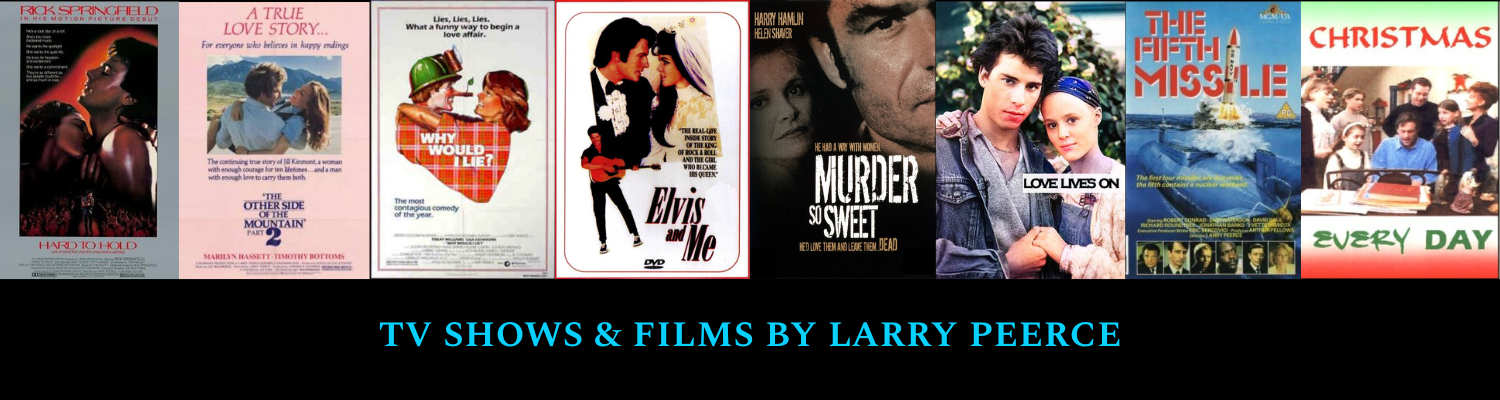
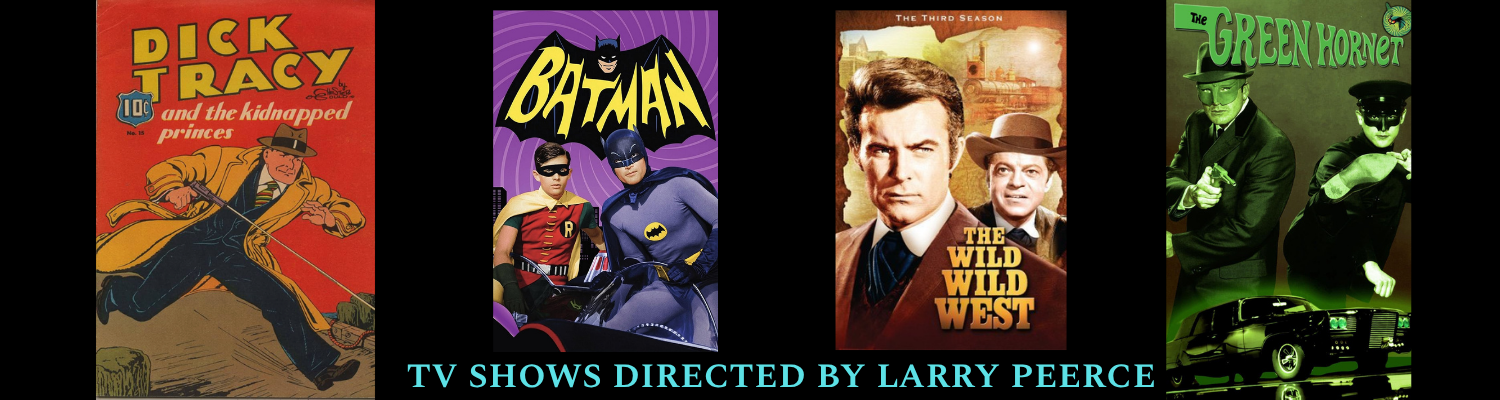
Born the son of renowned Cantor and Opera Singer, Jan Peerce and talent agent, Alice Kalmanowitz Peerce, Larry spent 36+ years directing over 30 feature length and made-for-TV films, as well as many episodes of major television series, such as “Branded,” “The Wild,” “Wild West,” “Touched by an Angel,” “Batman,” “The Green Hornet,” “The Legend of Jesse James,” “The Loner,” “Wackiest Ship in the Army,” and “Felony Squad.”
From the onset of his directorial career, Peerce never shied away from presenting important relevant issues of our time, whether it be integration, discrimination, miscegenation, misogyny, or class and culture war. He also directed many dramas, thrillers, comedies and biographical dramas. Over his more than three decades in the industry (from 1964 until his retirement in 2001), he directed many of the major stars we have grown to love to watch, including many in their film debuts.
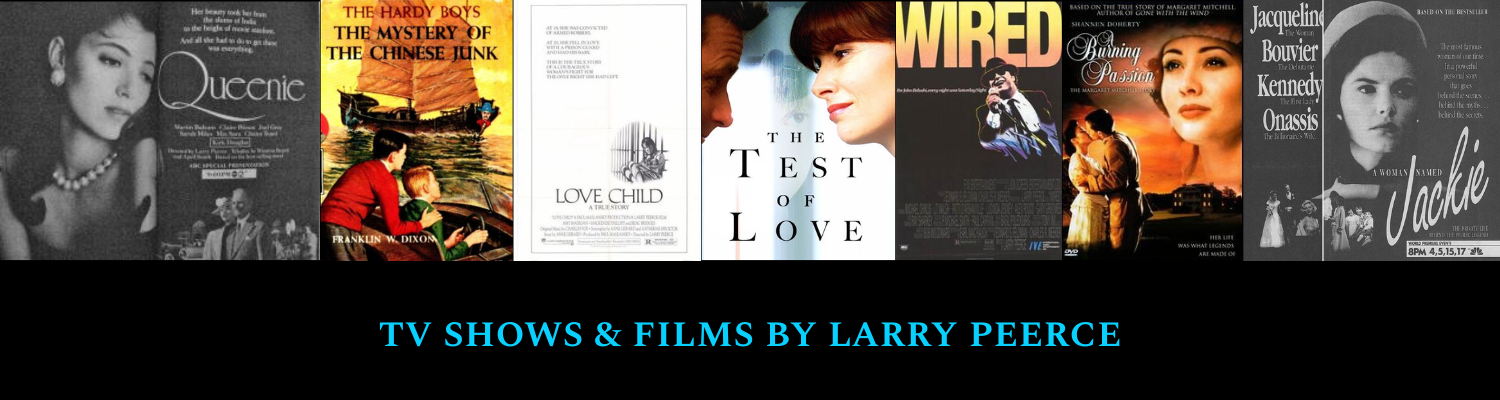
please click below to listen to ellen kaye's 2013 interview with larry peerce on our m57 on-air urban salon podcast
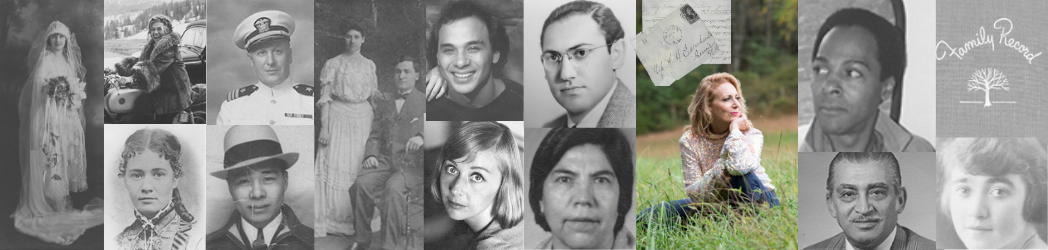
listen to the old bones odyssey original songs below
The songs Old Bones Odyssey and These Walls Are Alive are the main themes of our entire project. They are inspired by the people that fill our stories.
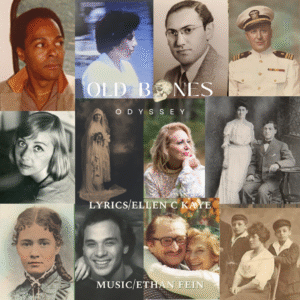
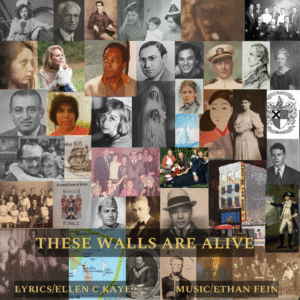
"old bones odyssey" - the album.
please click here for our linktree