




isaak chertok-chertoff
stalin's purges
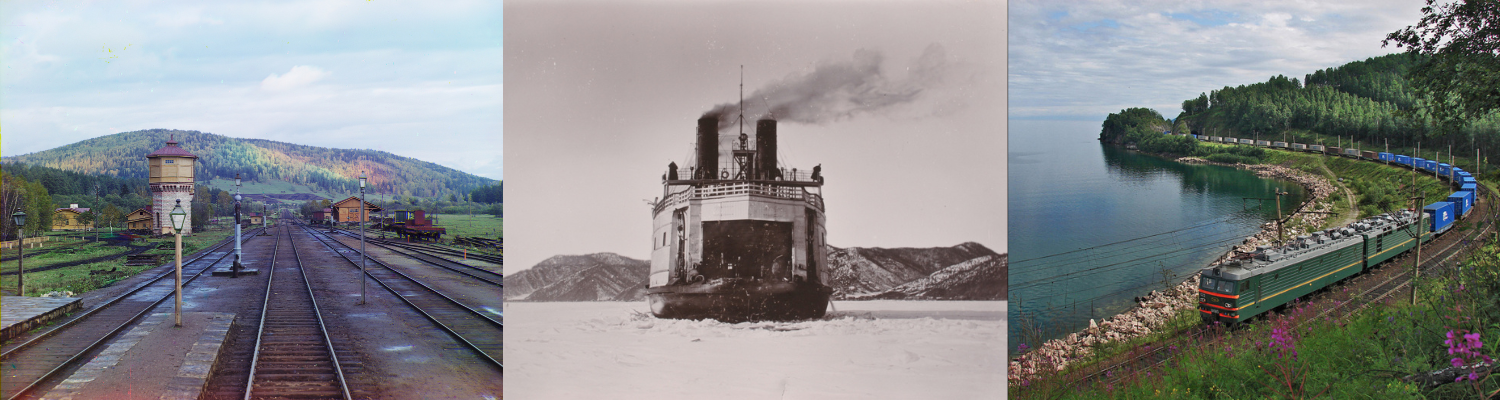
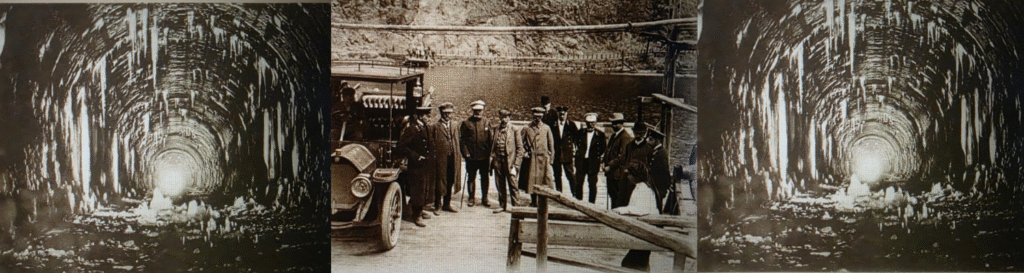
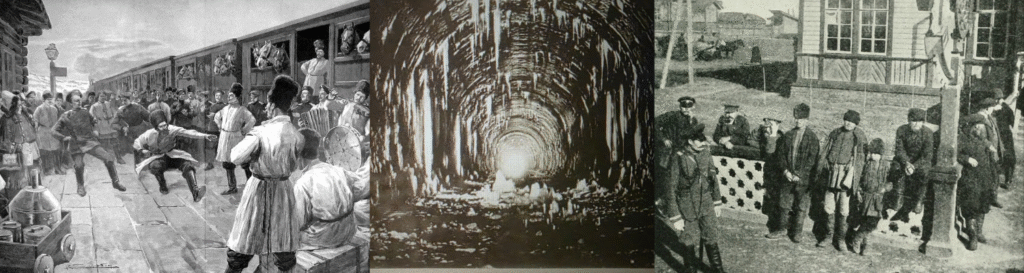
My cousin’s Isaak’s life was extraordinary. From helping to build the Transiberian Railway
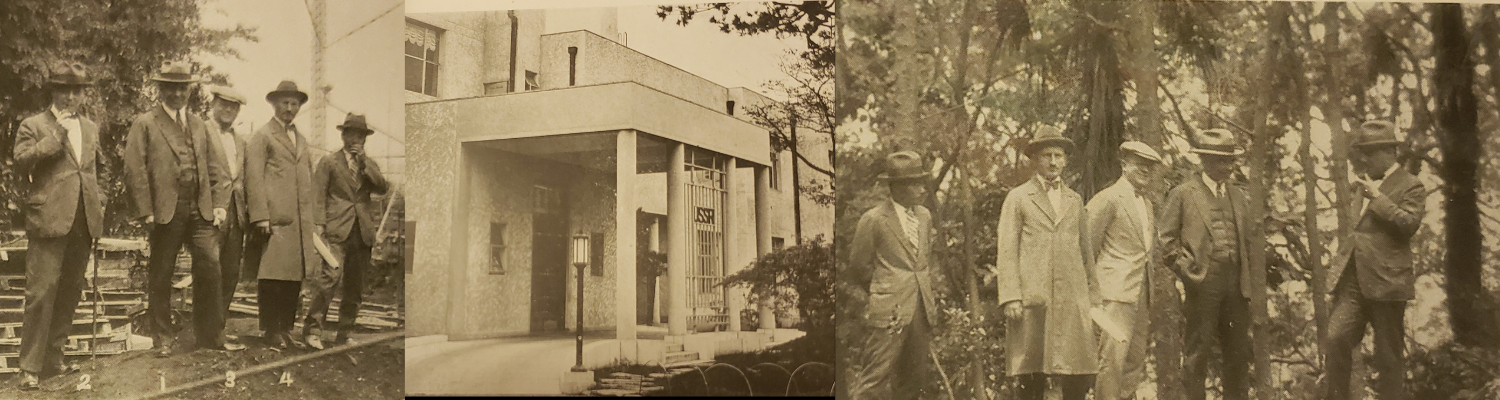
to being the architect for the Soviet Embassy in Tokyo to speaking fluent Japanese, he was a true renaissance man.
And a real character.
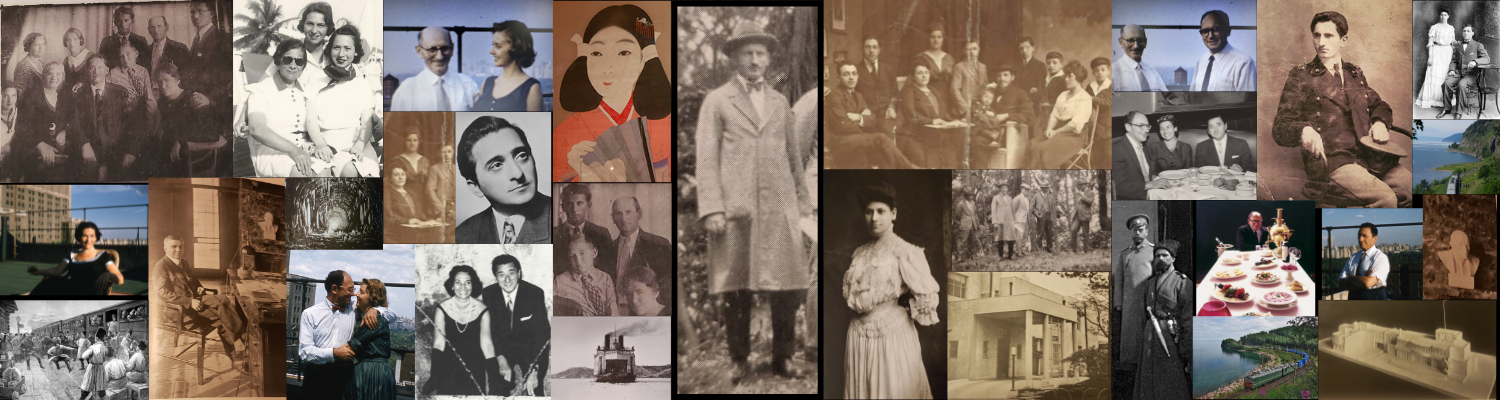
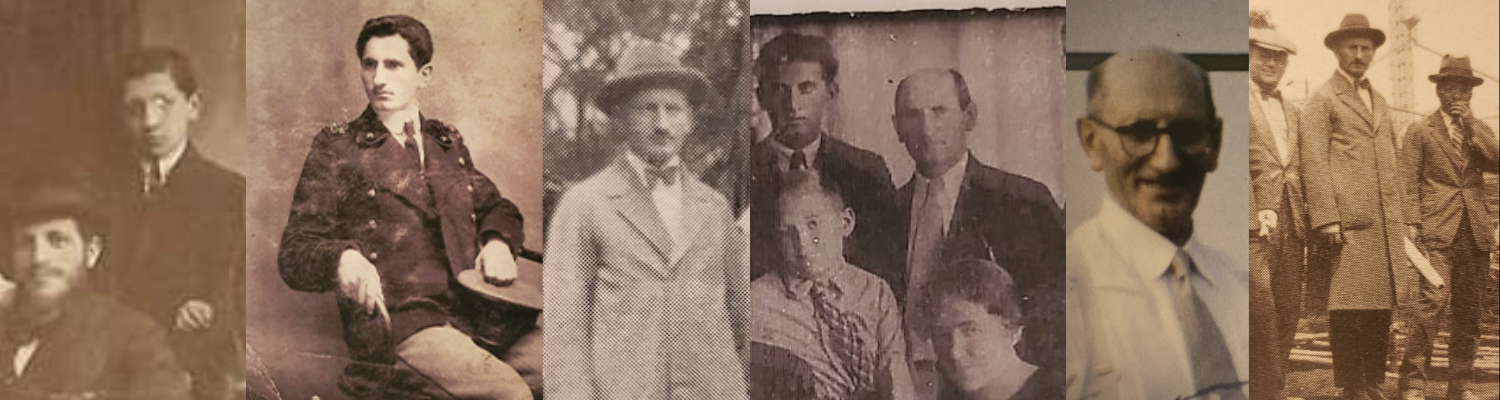
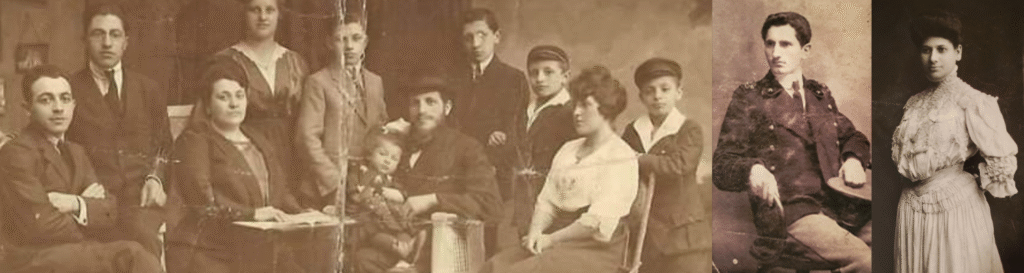
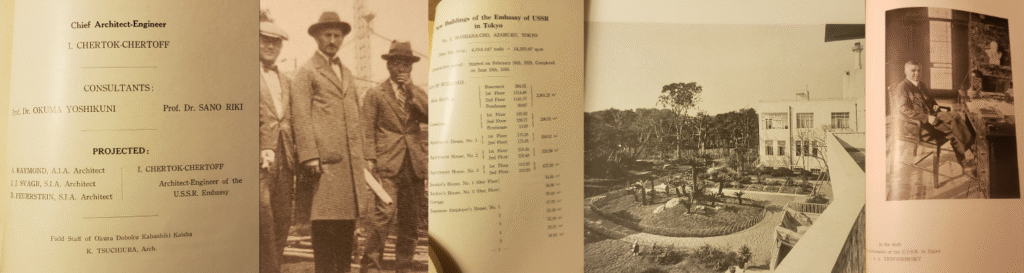
Isaak Chertok was born in Russia in 1889, the eldest of his 10 brothers and sisters. He studied architecture and engineering at Warsaw University before helping build the Trans-Siberian Railway in Russia. He worked as the chief builder for the Ministry of Trade and was the chief builder and architect for the new Soviet Embassy in Tokyo in the 1920’s. He was a Russian intellectual, Japanese scholar, engineer, diplomat, artist, linguist and taught Russian at the Naval War College during WWII.
The Trans-Siberian Railway is the longest railway in the world and connects the western portion of Russia on the European Continent (European Russia) with the eastern portion of Russia on the Asian Continent (Russian Far East). It follows the historic land route known as the Great Siberian Route. It was built in stages, with the original line built by Czarist Russia, between 1891 and 1916, and the main line completed under Stalin. At the beginning of WWII, the Railway was essential as a supply route and connection between Germany and Japan while Russia maintained its neutrality. That all ended in 1941 when Germany invaded Russia.
After supervising the construction of the Soviet Embassy in Tokyo, Isaak remained attached to the Embassy as a staff member until he became a victim of Stalin’s Purge (1936-1938). As the story goes, Isaak was ordered to greet a Soviet official who was arriving in Tokyo. When he went to meet him, the official warned him to leave and never return before he was arrested by Stalin’s Secret Police (NKVD) and charged with being a Japanese spy. He was told to not return to his apartment in Tokyo and flee the area for good, leaving his life and belongings behind, as well as the woman he loved.
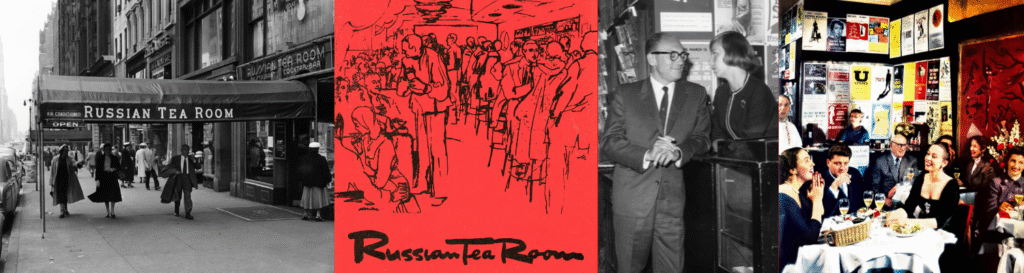
Isaak fled to Palestine, left in 1948 when the Israeli – Arab War began and emigrated to the United States. He was sponsored by his cousin, Alice Peerce, wife and manager of the great Cantor and Tenor, Jan Peerce and sister of Sidney Kaye, owner of the Russian Tea Room.
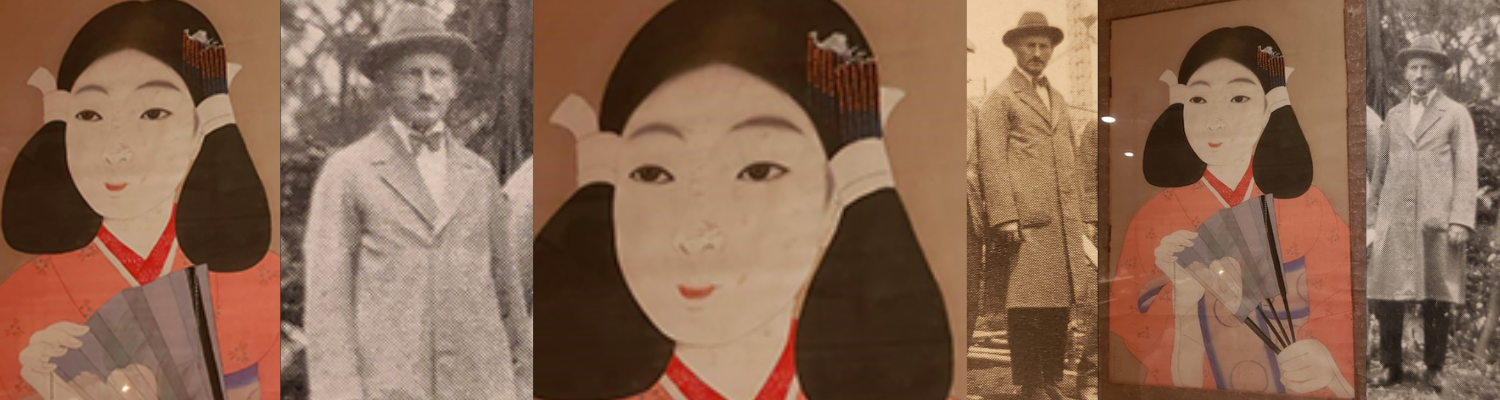
In 1955 Isaak would become a fixture at the Russian Tea Room taking a meal there daily. Sidney asked Isaak to redesign his office in the Russian Tea Room. When Isaak had completed his design and construction was complete, Sidney’s office had been transformed into an office more representing a Japanese tearoom than a Russian tearoom, replete with Isaak’s painting of his girlfriend dressed in a Japanese kimono, the love he was forced to leave in Tokyo when he fled Japan for his life.
Isaak died at Mount Sinai Hospital in New York City in 1964.
After the collapse of Tsarist Russia in 1917 (the Bolshevik Revolution), Russia would become the first communist state under Bolshevik founder and leader Vladimir Lenin. Lenin would rule Russia until his death in 1924. Russia became known as the Union of Soviet Socialist Republic (USSR or Soviet Union) in 1922. After Lenin’s death a power struggle emerged between a triumvirate (troika) consisting of Joseph Stalin, Lev Kamenev, and Grigory Zinoviev and Leon Trotsky and his followers. By the end of 1924 the troika would dissolve with Kamenev and Zinoviev siding with Trotsky. By 1929 Trotsky had been exiled from Moscow and deported out of the country and Stalin had become the undisputed and supreme leader of Soviet Russia.
Stalin’s reign would begin with consistent purges in an effort to consolidate his power. During the mid to late 1920’s into the early 1930’s kulaks (wealthy peasants), private small manufactures and entrepreneurs (nepman), clergymen and those opposing the communist government would be regularly persecuted. These persecutions, or purges, would mostly be carried out by the Soviet secret police, the NKVD (People’s Commissariat for Internal Affairs). In 1937 Stalin’s purges would intensify and expand to include past Bolsheviks and those who had been previously involved in Lenin’s government. The period from 1937 to 1938 would become known as the Great Purge or Great Terror. The imprisonment and execution of Communist Party leaders and members, members of the Red Army and the intellectuals in Soviet society were now being called enemies of the people by the NKVD, under Stalin’s orders, and were charged with treason and espionage. Hundreds of thousands were executed or imprisoned in the Gulag (the Soviet system of forced labor camps), where many of them would eventually die as well. Also, among those targeted by the NKVD were ethnic minorities such as Soviet citizens of Polish descent, Volga Germans. Torture and violent interrogation would become the norm along with public show trials.
Stalin’s lust for absolute power and paranoia led to a decade of purges, culminating in the Great Purge. It’s been estimated that Stalin’s purges resulted in the deaths of between 700,000 to 1.2 million. The paranoia, atmosphere of fear and false accusations ultimately became unsustainable and would cripple the Soviet military, administration and economy causing Stalin to scale back his reign of terror in order to keep his grip on power. Stalin would shift the blame to the NKVD and its leaders resulting in their ultimate executions. The Great Purge would end, but the mistrust, surveillance and general uneasiness would continue for decades to come.
Sources And Inspirations
listen to the old bones odyssey original songs below
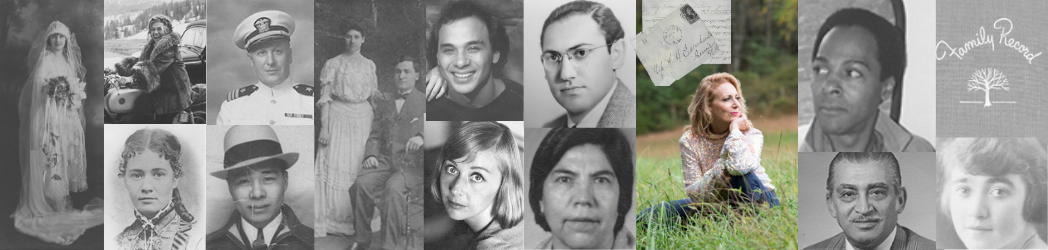
The songs Old Bones Odyssey and These Walls Are Alive are the main themes of our entire project. They are inspired by the people that fill our stories.
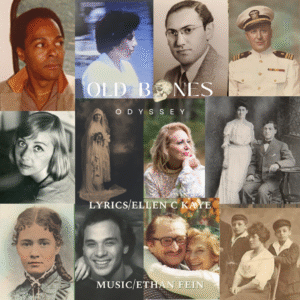
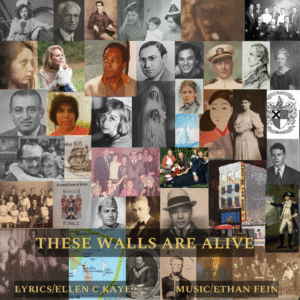
"old bones odyssey" - the album.
please click here for our linktree