



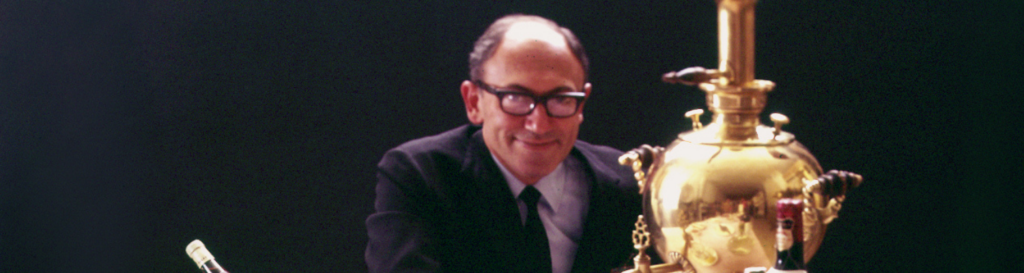
sidney kaye -
blacklisting & the rtr
the obo family archive
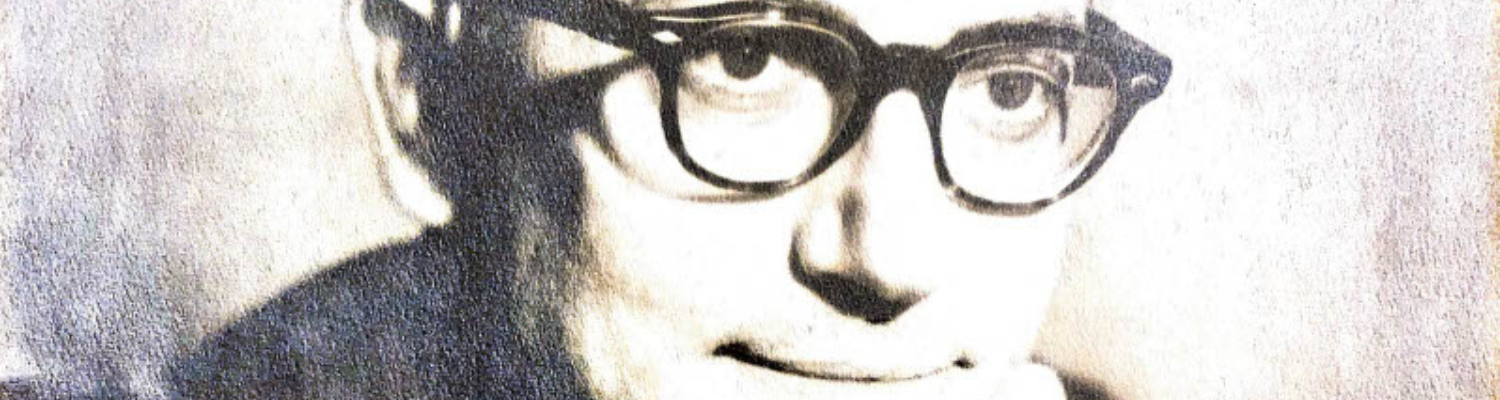
“My father Sidney Kaye supported and helped his friends who were blacklisted during the McCarthy era. He owned the Russian Tea Room and he did what he could do. He fed them, loaned them money, and stayed a real friend.” – Ellen Kaye
“When I was very young, someone at the RTR told me in hushed, reverential tones that a friend of my father’s, a beautiful woman who was staying at the Waldorf, defied the House UnAmerican activities interrogation so he sent yellow roses to her suite at the Waldorf. It was a small gesture, but I loved it.” – Ellen Kaye
“I heard all kinds of stories as I was growing up about my dad supporting and helping people during the blacklist. It was his M.O. in my thirties, when he had been dead for a long time, a man called me and asked if he could come and thank me in person for the kindness my father had shown him when he was an RTR waiter. I’ve found stories in his obits that reflect the same kinds of actions. So during McCarthy’s reign, it was really just a continuation of his way of living. To look out for the other guy.” – Ellen Kaye
“Since the late fifties his natural goodness had created a somewhat different form of kindness. A frequent guest of the Russian Tea Room lost his job and for a variety of reasons could not find a new one. Mr. Kaye noticed that the guest had not been to the restaurant in weeks and made some inquiries. When the guest finally showed up for lunch, Mr. Kaye sat down with him in a booth and told him that he was invited to take his usual meals at the Tea Room and sign for them until he found another job. When the man left, happy in the security of not going hungry, Mr. Kaye instructed the cashier to void the man’s bills until further notice.” – Ellen Kaye
“I don’t know what risks he was taking, but I do know that cash flow was always an issue and he didn’t let that stop him. and I don’t know who he helped. but I love that he did it. My Dad has been my compass. He died when I was seven, but he managed to squish so much of what he believed into
my little head in that short time.” – Ellen Kaye
A Little History Of The 1950’s Black List – Written by Alan Joseph
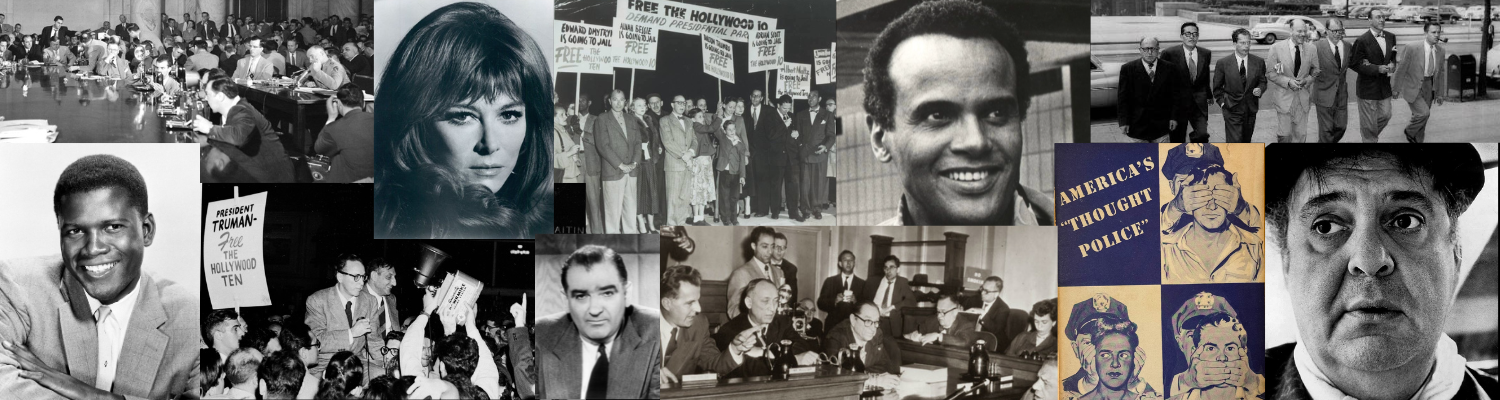
In 1941 the United States Congress, led by Montana Democratic Senator Burton Wheeler and North Dakota Republican Senator Gerald Nye led a Congressional investigation into Hollywood’s alleged role in promoting Soviet propaganda. In 1947, the House Un-American Activities Committee (HUAC)
began to investigate Hollywood as well.
During the 1950’s, Senator Joseph McCarthy, through the Senate Permanent Subcommittee On Investigations, joined in the fray alleging the existence of communists in the US Government and numerous institutions throughout the country. As a result of these investigations, over 200 actors, writers, and musicians were ultimately blacklisted from working in the entertainment industry.
Among those blacklisted were Pete Seeger, Harry Belafonte, Judy Holliday, Burl Ives, Artie Shaw, Lena Horne, Orson Welles, Elia Kazan, Charlie Chaplin, Burgess Meredith, Arthur Miller, Leonard Bernstein, and good friends of Sidney Kaye, the owner of The Russian Tea Room, Lee Grant and Zero Mostel.
While not blacklisted themselves, Jerry Stiller and Anne Meara continued to work with blacklisted artists throughout that era.
Hollywood would strike back by making movies like “High Noon,” written by blacklisted screenwriter Carl Foreman, as an allegorical warning to those enforcing the blacklist and the people standing silently by allowing it to happen.
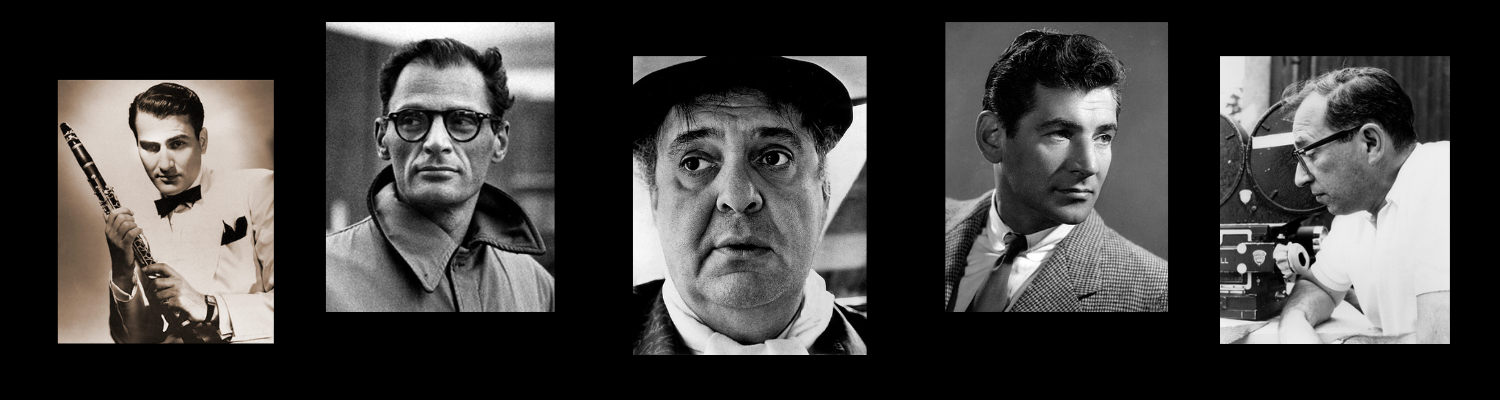
Artie Shaw, Arthur Miller, Zero Mostel, Lenard Bernstein, Carl Foreman
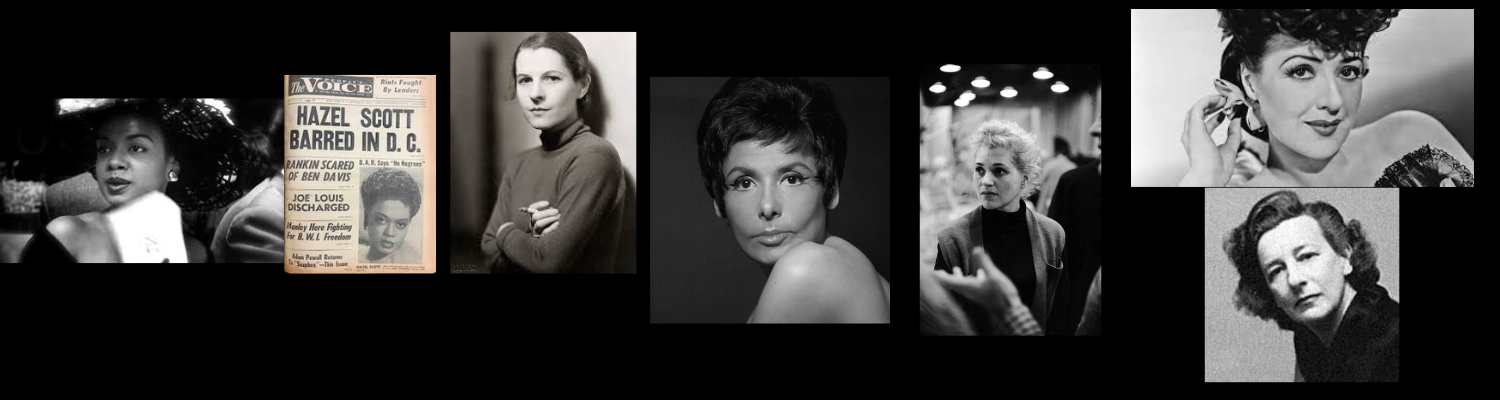
Hazel Scott, Ruth Gordon, Lena Horne, Judy Holiday, Gypsy Rose Lee, Lillian Hellman
Lorem ipsum dolor sit amet, consectetur adipiscing elit. Ut elit tellus, luctus nec ullamcorper mattis, pulvinar dapibus leo.
Lorem ipsum dolor sit amet, consectetur adipiscing elit. Ut elit tellus, luctus nec ullamcorper mattis, pulvinar dapibus leo.
Lorem ipsum dolor sit amet, consectetur adipiscing elit. Ut elit tellus, luctus nec ullamcorper mattis, pulvinar dapibus leo.
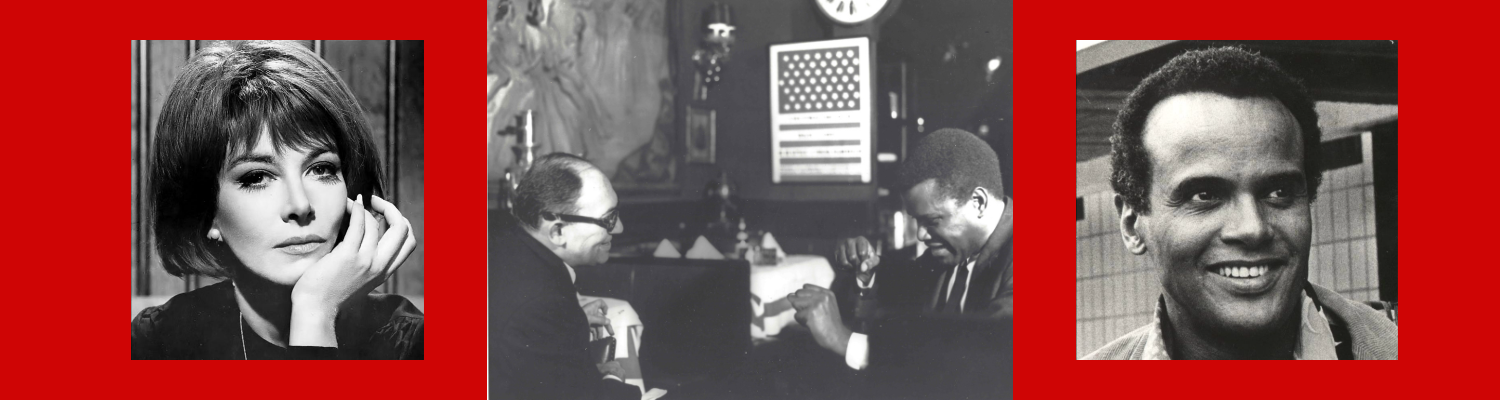
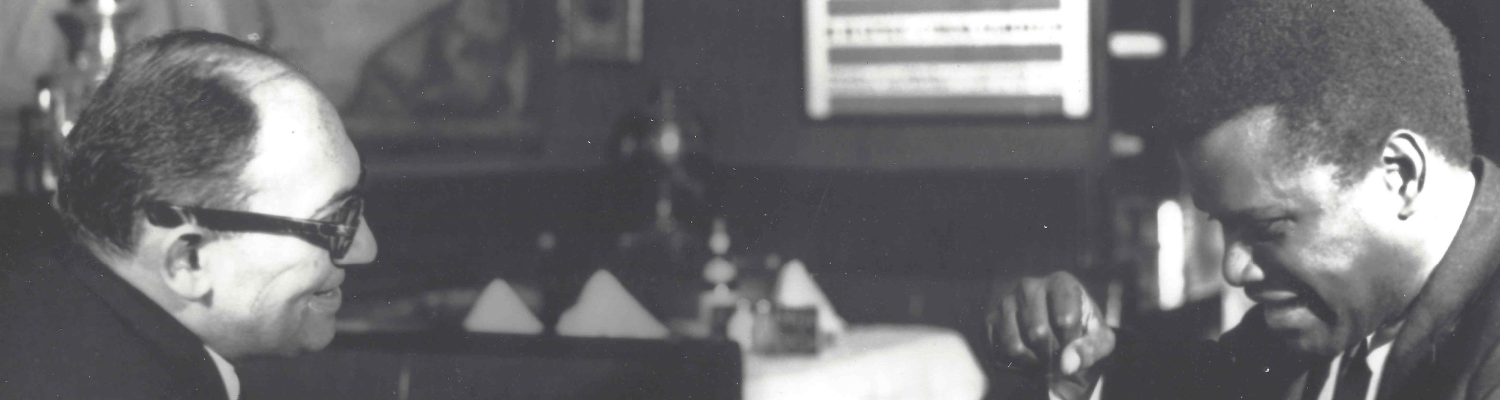
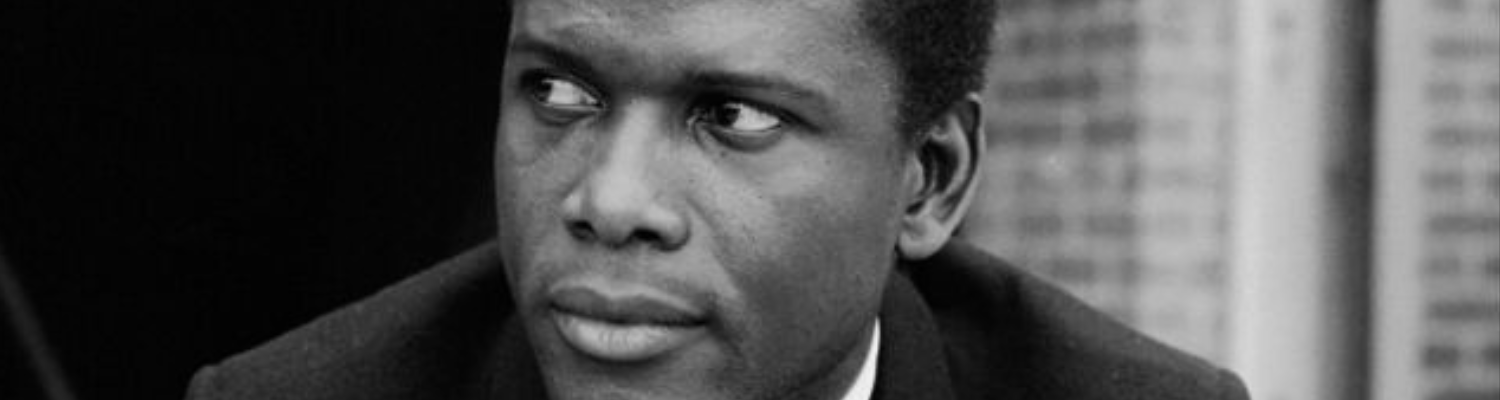
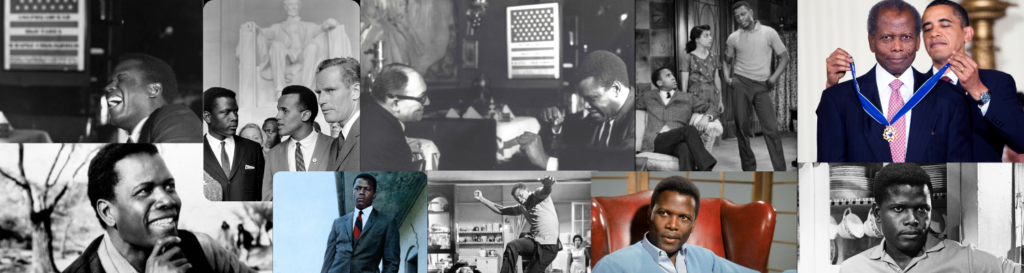
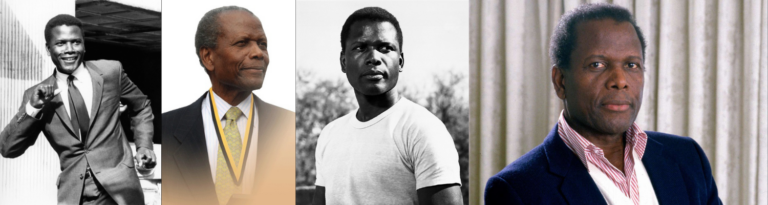
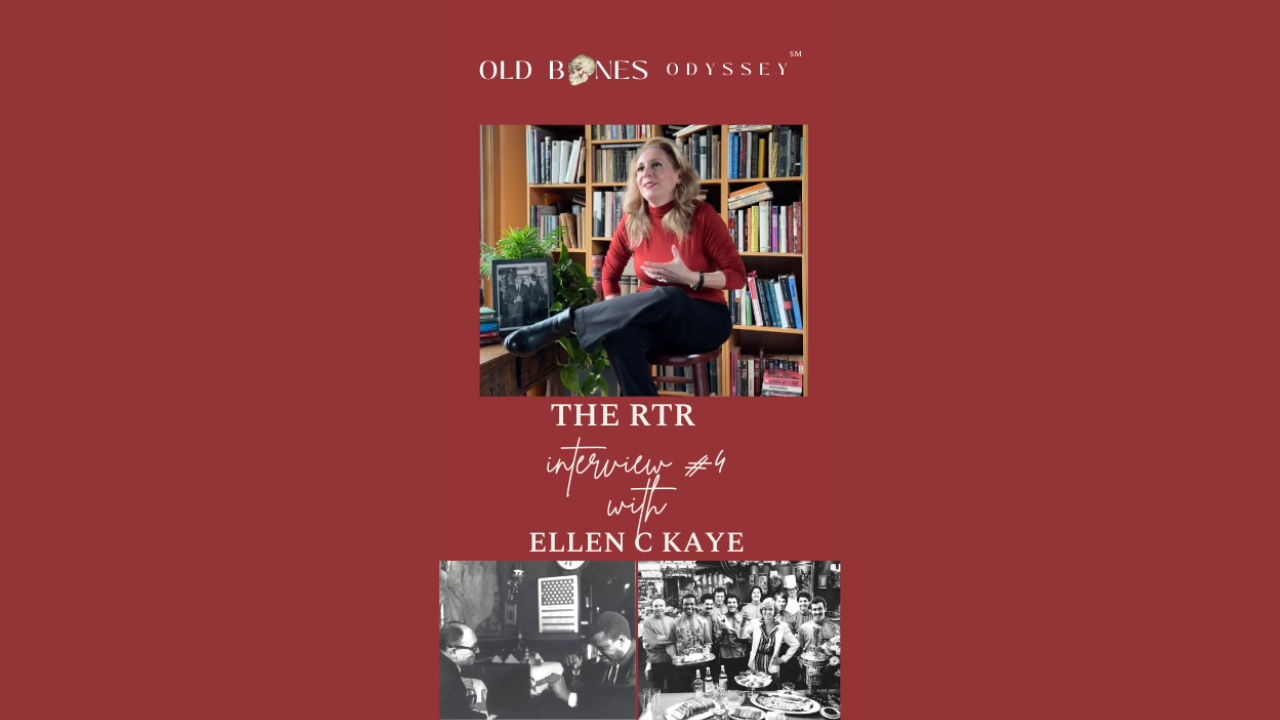
“I treasure this photo of my father, Sidney Kaye, with his dear friend Sidney Poitier. They’re sitting in the RTR. The banquette behind them is empty, so my guess is that it’s between lunch and dinner. A quiet time in restaurants. One of my earliest memories is looking up into Mr. Poitier’s face. I was very little, maybe three. He was breathtaking. And so warm. I remember that. I wanted to marry him. I don’t know if I told him right then and there. As the years went on, I came to learn how truly remarkable he was. But I could feel it all at three. That’s how he was. Not like anybody else. Ever.” -Ellen Kaye
Lorem ipsum dolor sit amet, consectetur adipiscing elit. Ut elit tellus, luctus nec ullamcorper mattis, pulvinar dapibus leo.
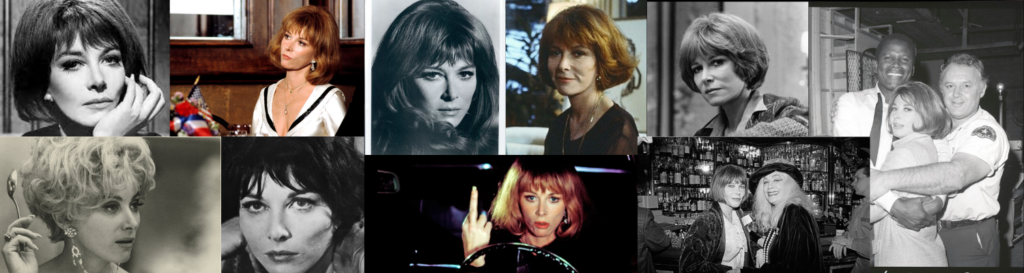
“Lee Grant was a good friend of my father’s, Sidney Kaye. When I was lucky enough to meet Ms. Grant in person as an adult, she told me that my Dad had been her counselor at camp when she was a young girl. And that he had been awfully kind to her. Years later she would come to his restaurant, The RTR. I saw Ms. Grant on a panel about the history of the Black List that was given after a performance of Jim Brochu’s “Zero Hour”. It was an extraordinary evening. A bit later, my partners at Moscow 57 and I got the opportunity to interview Ms. Grant on our podcast “M57 On-Air Urban Salon.” It was thrilling. Her life, her accomplishments, her sheer talent, her courage and moxie, wow!” -Ellen Kaye
Lorem ipsum dolor sit amet, consectetur adipiscing elit. Ut elit tellus, luctus nec ullamcorper mattis, pulvinar dapibus leo.
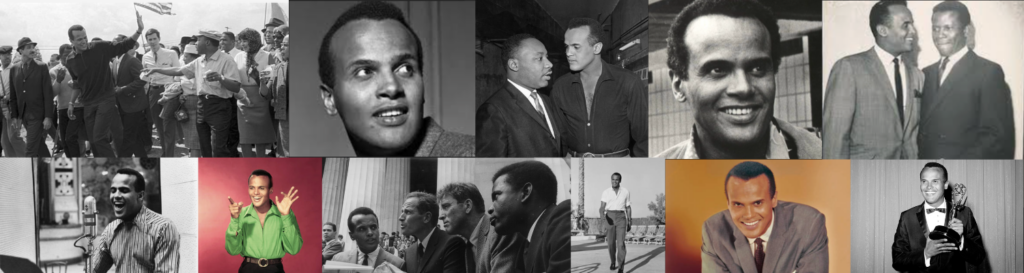
“Harry Belafonte was a regular at the RTR when I was little. It’s impossible to sum him up quickly. A brilliant singer, actor, a tireless, unrelenting champion of civil rights, a lovely human being doesn’t begin to cover it. We were so excited when the director Yelena Demikovsky wanted to film an interview with Mr. Belafonte for “Black Russians – The Red Experience” at our former restaurant, Moscow 57. His one demand was that we serve pelmeni, his favorite dish. Seth Goldman, M57 co-owner and chef, said hell yes and made them. It was such a thrill to have him at our place on Delancey. There are wonderful photos of Mr. Belafonte that day with Ms. Demikovsky and Seth, you can find them with a quick search. ” -Ellen Kaye
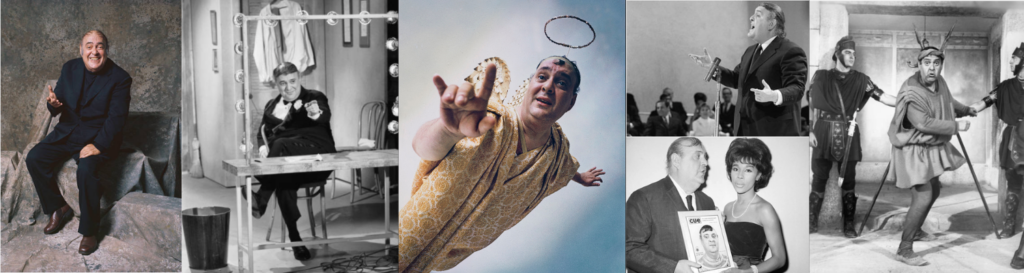
“Zero Mostel was an RTR regular in the 1950’s and 1960’s. He was a good friend of my Dad’s, Sidney Kaye, who owned the RTR from 1947-1967 (when my Dad died). Zero was the original Tevye in “Fiddler On The Roof” on Broadway. His take on Max Bialystock in “The Producers” is one of my all time nothing-can-be-better-than-this performance. Hard to do while sharing the screen with Gene Wilder. I was so happy to watch Jim Brochu bring Zero brilliantly back to life in his one man show “Zero Hour” -Ellen Kaye
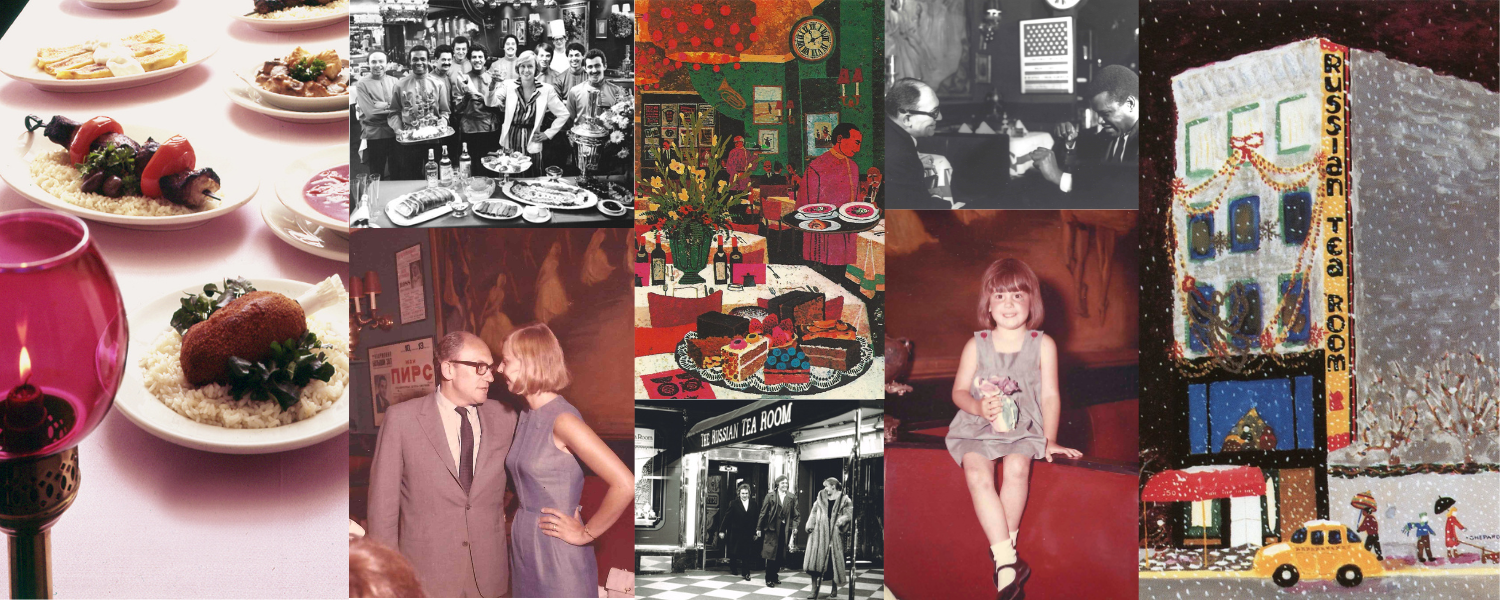
***This blog post contains my special memories as well as family history and photos of the 50 years my family owned and operated the Russian Tea Room, 1947-1996, and are not, in any way, affiliated with its current ownership.-Ellen Kaye
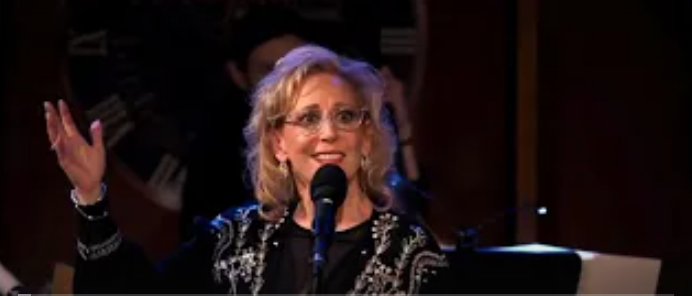
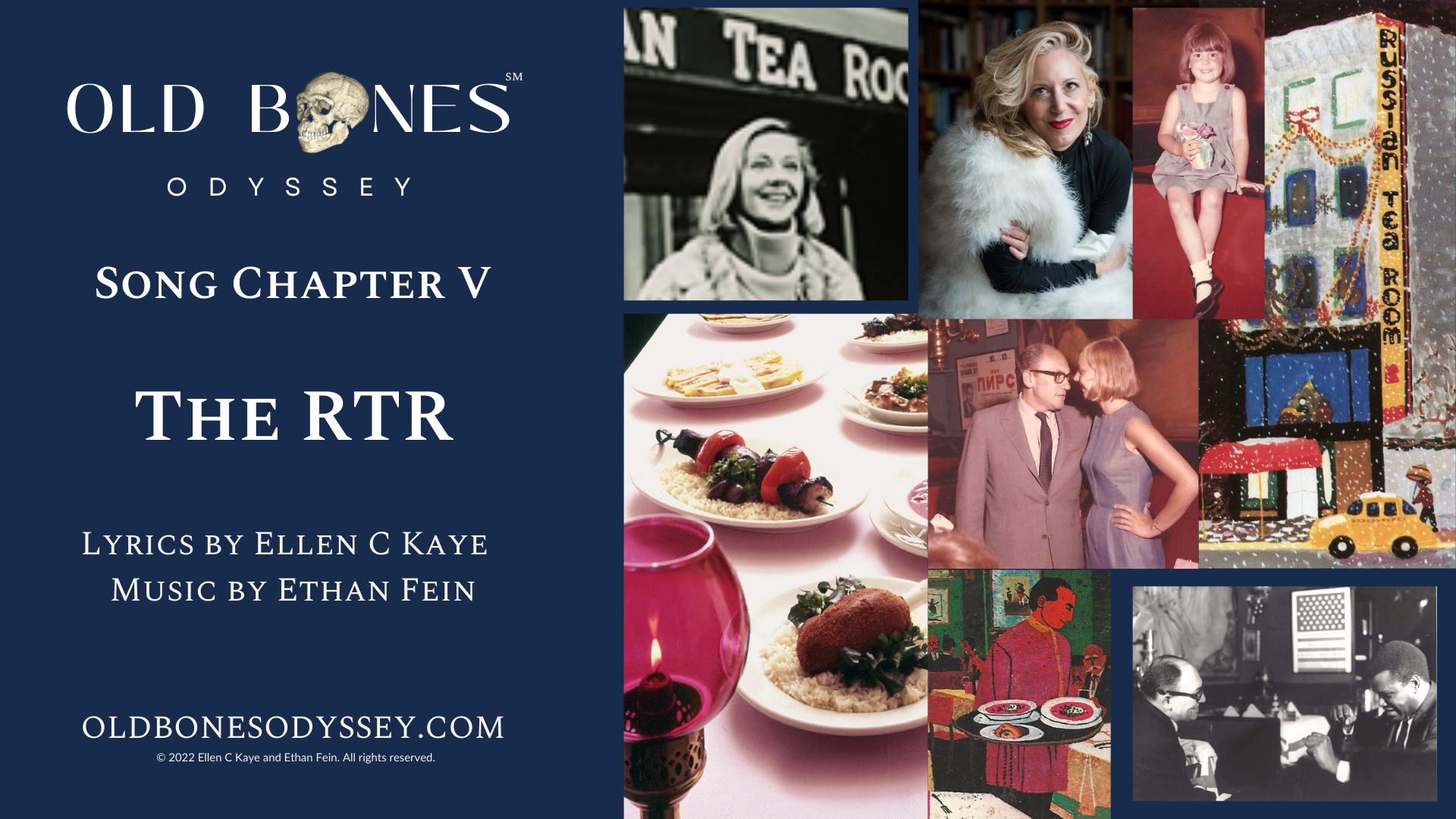
listen to ellen's original song where we capture the milieu of the white russians at the rtr
Ellen's early memories
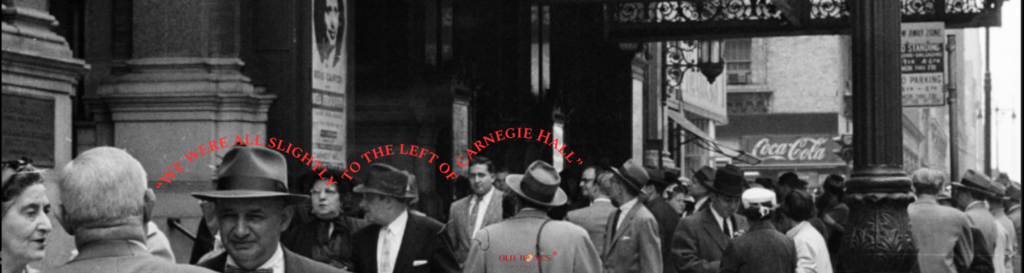
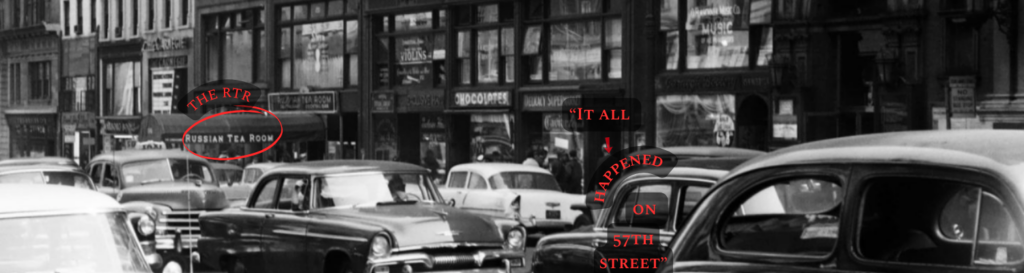
My family once owned the Russian Tea Room on 57th Street in New York City next to Carnegie Hall. It was a quintessential New York watering hole. Full of characters. From the people who worked there to the movie stars, the theater legends, their agents and managers, the eclectic New Yorkers, tourists from all over America and all over the world. It was a fabulous, hilarious place.
My father Sidney Kaye owned it from 1947-1967. When he died my mother Faith Stewart-Gordon took over and ran it very successfully till 1996.
My earliest memories in my life are of the RTR, or the “ol’ watering hole” as my mother liked to call it. My father Sidney owned it and for the first seven years of my life it was my home away from home, across the street from our apartment. He died when I was seven and for me the restaurant became the embodiment of him. My mother took over the reins, and what my father had built, and took the place to a whole other level. She was a groundbreaking woman in a famously male dominated industry.
My memories are of a dazzling, whacky, red and gold swirling non-stop world with wonderful people rolling in and out every moment. That place held my heart. This song, “The RTR,” is an ode to those days, to that funny little building crammed into a hectic New York City street. A little building that seemed so much bigger than it was. Written partly through the eyes of a child, mostly through longing and remembrance of a golden place. Completely, as a loyal and devoted lover of all things deeply New York City. Especially the people who live in it.
the back story to the song
History in a nutshell told by a nightclub singer, not an historian.
“And White Russians steeping tea bags in free boiling water!”-Ellen Kaye
- A Little Russian History.
The Russian people lived as serfs for thousands of years. In 1917 they overthrew the Czar, the king of Russia. The aristocrats of his empire who survived the violence of the Communist revolution, called by some the “White Russians,” fled to various parts of the world. Many of them landed in New York City. Not a few had hit financial hard times.
- A Little Russian Jewish History.
The Czars of Russia were not overly fond of the Russian Jewish people. The Czar sent his Cossacks, his horse guard, to beat and kill my ancestors in sweeping pogroms. My father’s people came here, fleeing from the murder and mayhem.
- A Little White Russians At The RTR History.
And then NYC being what it is, and life being what it is, the Czar’s relations ended up in our restaurant,The RTR, due to its Russian identity. And, what I’ve recently learned, is that the owners of the Tea Room before my father’s time were possibly “White Russians,” so that also explains their hanging hard at the Tea Room when my father took over.
According to family lore, there were a large group of them. They would descend on the banquets and while away the afternoons, ordering boiling water and supplying their own tea bags. My father would watch with growing anger and after a bunch of days would kick them all out screaming “get the hell out of my restaurant.” Time would pass and they would all return and the entire cycle would begin again.
My Personal Backstory To The Song
“My memories are of a dazzling, whacky, red and gold swirling non-stop world
with wonderful people rolling in and out every moment.”-Ellen Kaye
The RTR Playlist
5:47
5:45
0:54
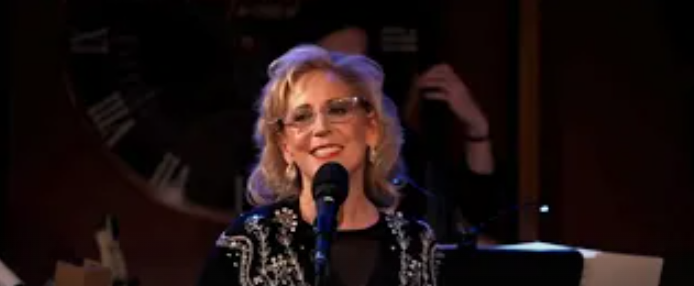
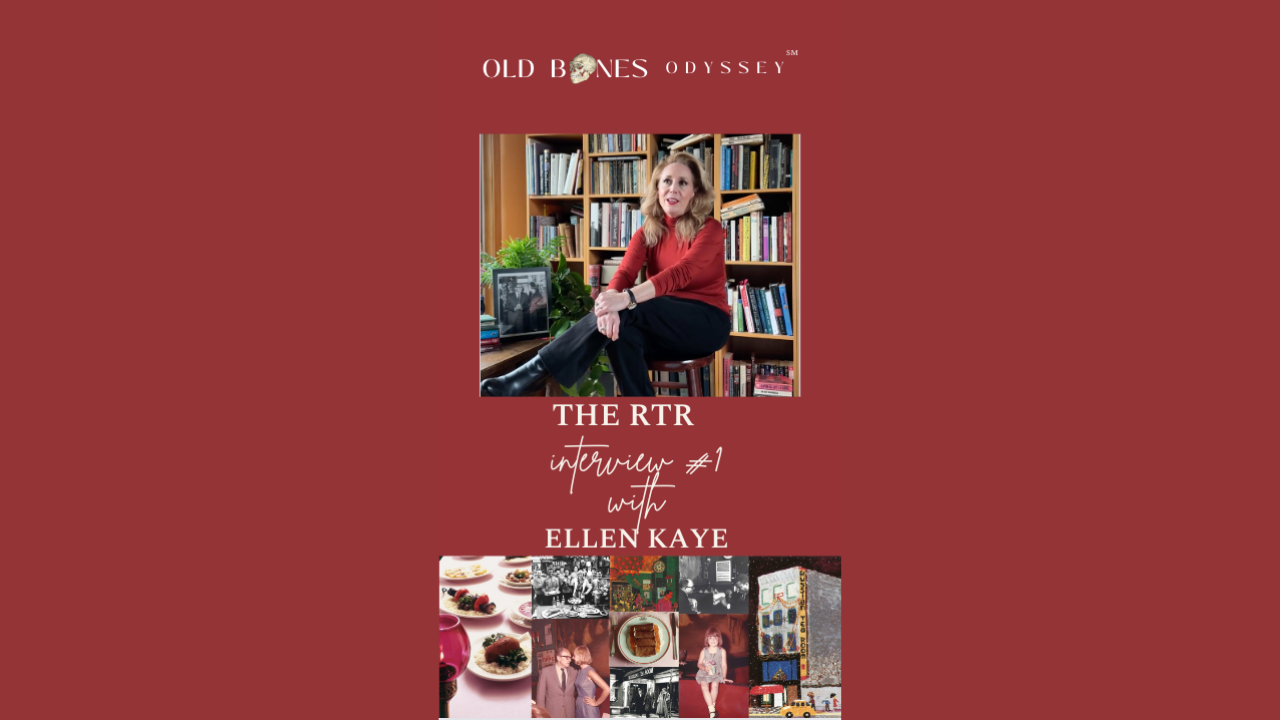
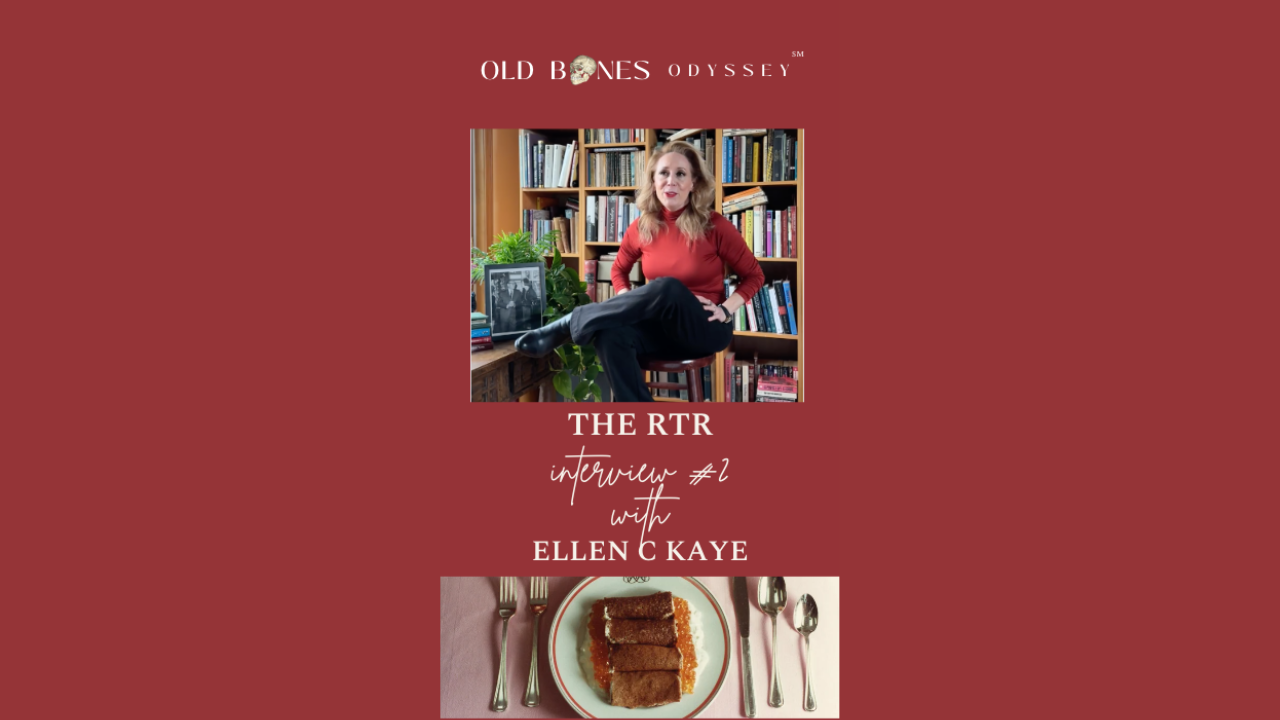
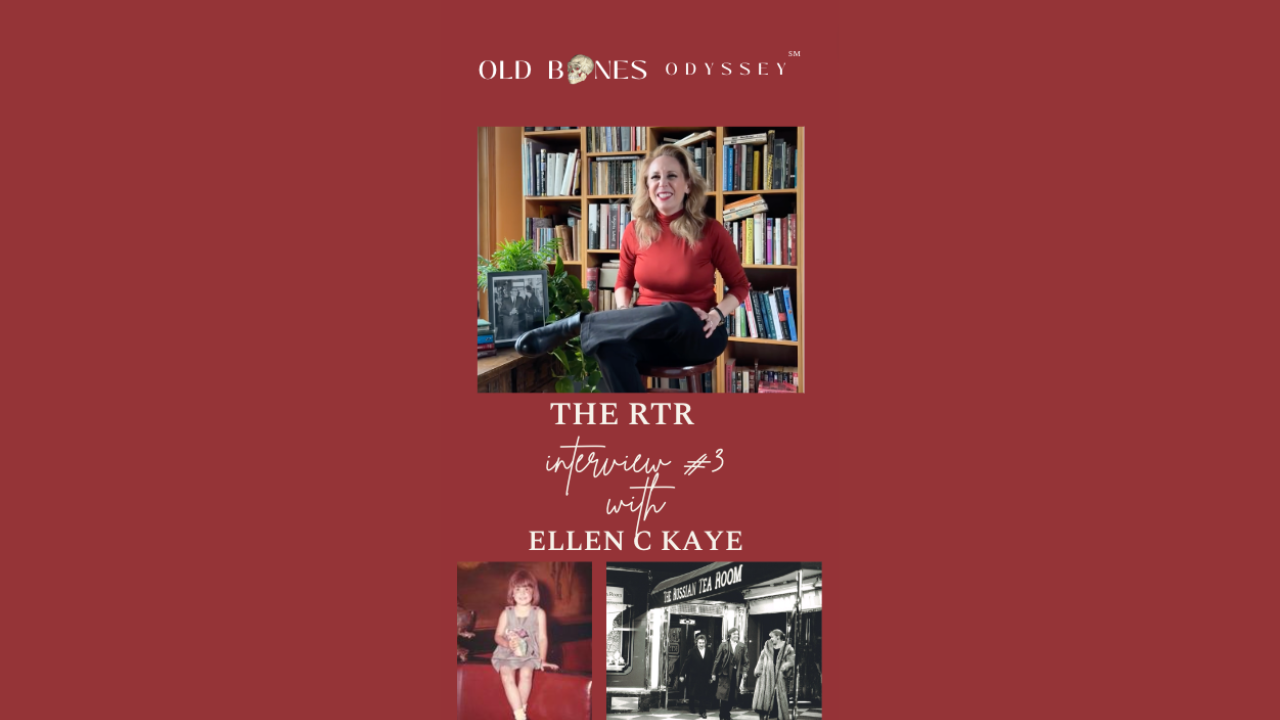
An Interview with Ellen talking about song writing, white russians, blini, and all of the crazy
The RTR Playlist
0:54
1:03
0:56
1:06
“This blog post contains my special memories as well as our family history and photos of the 49 years my family owned and operated the Russian Tea Room, 1947-1996, and are not, in any way, affiliated with its current ownership.” – Ellen Kaye
listen to the old bones odyssey original songs below
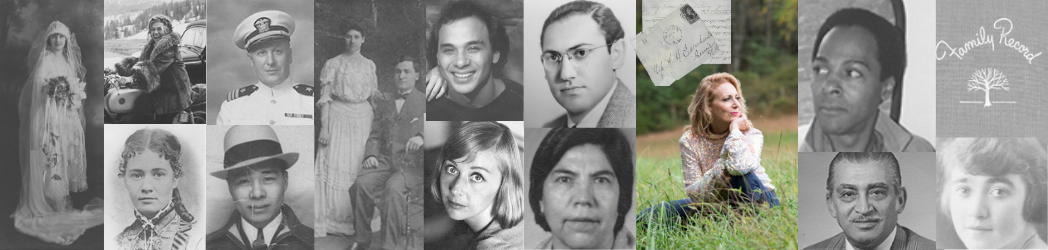
The songs Old Bones Odyssey and These Walls Are Alive are the main themes of our entire project. They are inspired by the people that fill our stories.
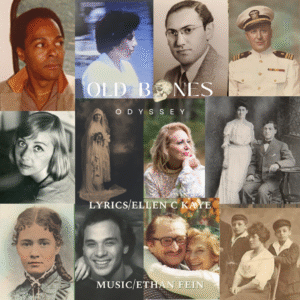
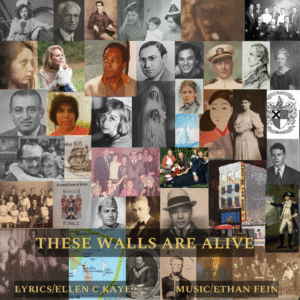
"old bones odyssey" - the album.
please click here for our linktree